
Choosing the right commercial roofing material is essential for protecting your property and ensuring long-term performance. The system you select affects energy efficiency, durability, maintenance needs, and resistance to harsh weather.
With so many options available today, it’s important to understand which materials best suit your building’s structure, climate, and budget. Below is a detailed overview of the most widely used commercial roofing systems.
TPO Roofing – Energy-Efficient and Cost-Effective
TPO (Thermoplastic Polyolefin) is one of the most popular roofing materials for flat and low-slope commercial roofs. Its reflective white surface helps reduce heat absorption and lower cooling costs.
Key benefits:
- Reflects UV rays and minimizes heat buildup
- Lightweight and easy to install
- Budget-friendly for large roof areas
- Performs well in extreme weather conditions
TPO is ideal for businesses looking for a balance between affordability and energy efficiency.
PVC Roofing – Strong and Long-Lasting
PVC (Polyvinyl Chloride) roofing is a durable, single-ply membrane designed to handle tough conditions. It’s especially useful for buildings exposed to chemicals, grease, or heavy usage.
Key benefits:
- Excellent resistance to fire, moisture, and chemicals
- Withstands heavy foot traffic
- Reflective surface improves energy efficiency
- Lifespan of 25+ years
- PVC is a reliable choice for restaurants, industrial buildings, and high-demand environments.
EPDM Roofing – Durable and Affordable
EPDM is a rubber roofing membrane known for its strength and longevity. It performs particularly well in colder climates and is one of the most cost-effective options available.
Key benefits:
- Strong resistance to weather and temperature extremes
- Easy to maintain and repair
- Long lifespan—often 30+ years
- EPDM is a great option for property owners who want a simple, durable solution.
Metal Roofing – Premium Performance and Longevity
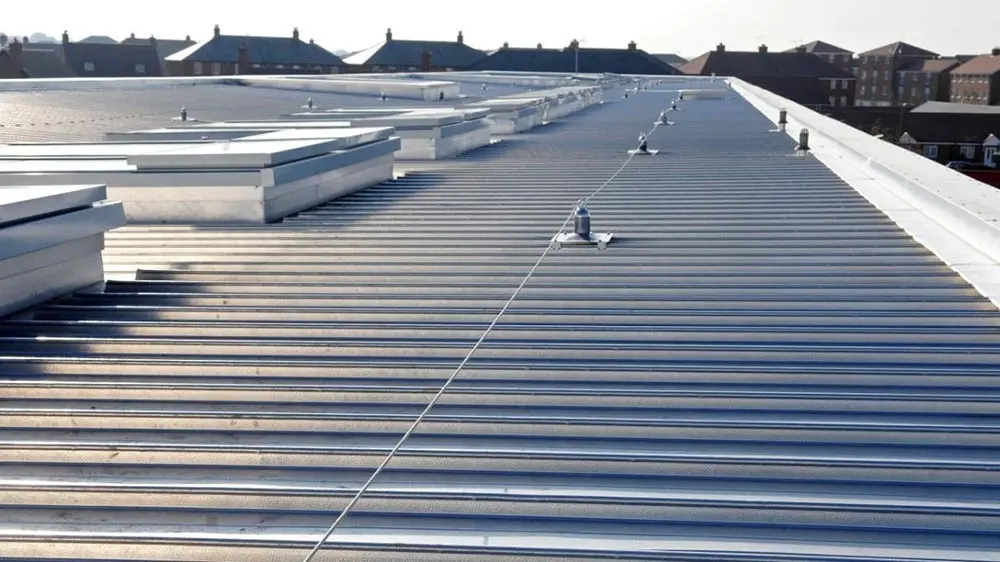
Metal roofing systems offer exceptional durability and a modern appearance. Common materials include steel, aluminum, and stainless steel.
Key benefits:
- Highly resistant to wind, fire, and moisture
- Extremely long lifespan (up to 70 years)
- Available in various colors and finishes
- Ideal for sloped commercial roofs
While the upfront cost is higher, metal roofing delivers excellent long-term value with minimal maintenance.
Built-Up Roofing (BUR) & Modified Bitumen
These traditional systems have been trusted for decades.
Built-Up Roofing (BUR)
- Made of multiple layers of bitumen and reinforcing fabric
- Excellent waterproofing and insulation
- Best for flat or low-slope roofs
Modified Bitumen
- Enhanced with polymers for flexibility
- Can be installed using various methods
- Performs well in high-traffic areas
Both options are dependable and cost-effective for many commercial applications.
Specialty Roofing Options
Roof Coatings
Protective coatings like acrylic or silicone can extend a roof’s lifespan by up to 20 years while improving energy efficiency.
Green Roofs
Vegetation-covered roofs provide insulation and support water management, making them an eco-friendly choice.
Cool Roofs
Designed to reflect sunlight, cool roofs help reduce indoor temperatures and HVAC costs—ideal for hot climates.
How to Choose the Right Roofing Material
Selecting the best roofing system involves more than just cost. Consider:
- Roof slope: Flat roofs work best with TPO, PVC, or EPDM, while sloped roofs suit metal systems
- Climate: Extreme temperatures or storms require more durable materials
- Building use: Some industries need fire- or chemical-resistant roofing
- Budget vs. lifespan: Higher upfront costs can mean lower long-term maintenance
Protecting Your Roof: Signs of Damage to Watch For
Your roof is constantly exposed to the elements, making regular inspection essential.
-
Check Inside First
Look for early warning signs such as:- Water stains on ceilings or in the attic
- Damp or rolled insulation
- Sagging roof decking
- Mold or mildew growth
-
Inspect the Exterior
From the ground or with a safe vantage point, check for:- Missing or damaged shingles
- Dark streaks or algae growth
- Sagging or uneven roof areas
- Rusted nails or exposed materials
-
Examine After Storms
Severe weather can cause hidden damage. Watch for:- Shingle granules in gutters
- Lifted shingles or loose flashing
- Ice dams in winter
- Dents in metal roofing
-
Consider Roof Age
Most asphalt roofs last 15–25 years, while metal and other materials last longer. Older roofs may need more frequent inspections or replacement planning. -
Call a Professional When Needed
Not all damage is visible. A professional inspection can identify issues early and recommend the right solution—repair or replacement.
Final Thoughts
Your roof is one of the most important parts of your building—and one of the most vulnerable. Small issues can quickly turn into major, costly repairs if ignored.
Regular inspections and choosing the right materials can save you time, money, and stress in the long run. If you’re unsure about your roof’s condition, scheduling a professional assessment is always a smart move.
