
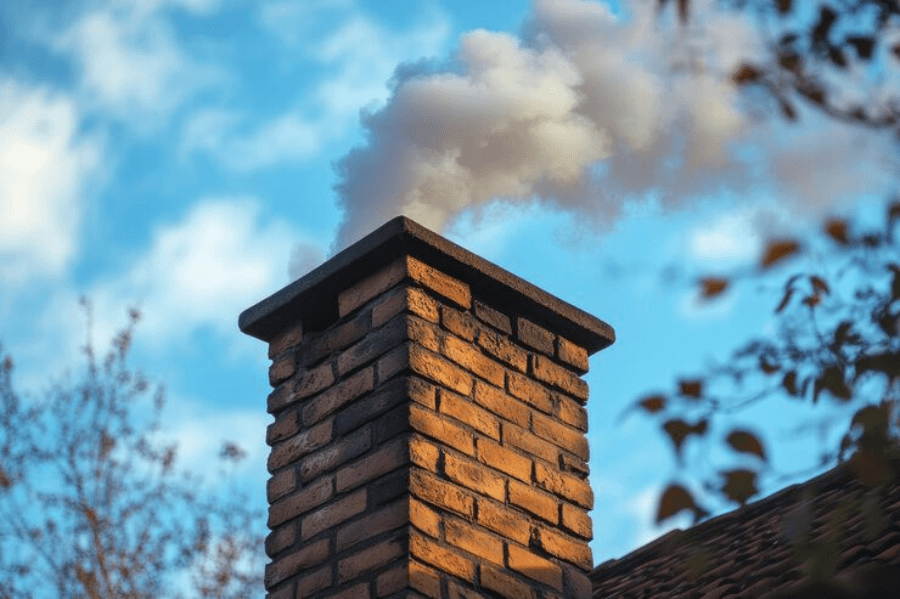
Chimneys are exposed to constant temperature changes, rain, wind and combustion by-products, all of which gradually affect their performance and structural integrity. In the UK, where wet winters and freeze–thaw cycles are common, these issues can develop more quickly if regular maintenance is neglected.
A well-maintained chimney not only improves heating efficiency but also plays a vital role in protecting a property from fire risks and harmful gases such as carbon monoxide. Below is a more detailed look at the most common chimney issues, their causes and the most effective ways to deal with them.
Creosote Build-Up
Creosote is a sticky, tar-like substance that forms inside the chimney flue when wood or other solid fuels do not burn completely. It typically builds up in layers over time and can vary from a light, flaky residue to a thick, hardened glaze depending on usage and fuel quality.
In UK homes with open fires or wood-burning stoves, creosote build-up is particularly common if the fire is not burning at a high enough temperature or if the chimney is not swept regularly.
The danger lies in its high flammability. If ignited, creosote can cause a dangerous chimney fire that may spread to the roof structure. In addition, heavy build-up restricts airflow, reducing the efficiency of the fireplace and increasing smoke back-draught into the room.
How it is resolved:
Regular chimney sweeping by a qualified professional is essential. In many cases, annual sweeping is recommended or more frequently if the fireplace is used heavily. A professional will also inspect the flue for damage and ensure the system is operating safely and efficiently.
Chimney Blockages
Chimney blockages are more common than many homeowners realise. Over time, chimneys can become obstructed by soot deposits, fallen masonry, bird nests, leaves and other debris carried by wind and weather. In some cases, birds or small animals may enter and build nests, particularly during warmer months.
A blocked chimney restricts the proper escape of smoke and gases. This can result in smoke entering the living space, unpleasant odours and in more serious cases, a build-up of dangerous gases such as carbon monoxide.
Blockages can also put additional strain on the heating appliance, reducing efficiency and increasing fuel consumption.
How it is resolved:
A full chimney inspection should be carried out to identify the source of the obstruction. Professionals typically use rods, brushes or specialist vacuum systems to safely remove debris. In cases involving wildlife, humane removal methods are used, often alongside the installation of chimney cowls or guards to prevent recurrence.
Cracks in the Chimney Structure
Chimneys are constantly exposed to harsh environmental conditions, making them vulnerable to gradual structural deterioration. In the UK climate, one of the most common causes of chimney damage is the freeze–thaw cycle. Water enters small cracks, freezes during cold weather, expands and gradually widens the damage.
Cracks may appear in brickwork, mortar joints, chimney crowns or flashing. Over time, these issues can allow water penetration into the property, leading to damp problems, internal staining and further weakening of the structure.
Left untreated, structural cracks can compromise the stability of the chimney stack itself.
How it is resolved:
Minor mortar damage can often be repaired through repointing, where deteriorated mortar is replaced. More significant damage may require brick replacement, crown repairs or re-sealing of flashing around the chimney base. Regular inspections—especially after winter—help catch issues early before they escalate.
Damaged Flue Liner
The flue liner is one of the most important safety components of a chimney system. It lines the inside of the chimney shaft and ensures that smoke, gases and combustion by-products are safely directed out of the property.
Over time, liners can deteriorate due to heat stress, corrosion (particularly in older clay or metal liners) or damage caused by chimney fires. A compromised flue liner can allow heat and gases to seep into surrounding walls or roof structures, significantly increasing the risk of fire or carbon monoxide leakage.
How it is resolved:
If a flue liner is suspected to be damaged, the chimney should not be used until it has been inspected by a qualified professional. Depending on the severity, solutions may include relining the chimney with a new stainless steel liner, repairing sections of the existing liner or full replacement in severe cases.
Preventative Maintenance and Safety Advice
Preventing chimney problems is far more cost-effective than repairing damage after it occurs. In the UK, routine maintenance is strongly recommended, particularly for properties that rely on solid fuel heating.
Key preventative steps include:
- Annual chimney sweeping (or more frequent use-based cleaning)
- Regular visual inspections of the chimney stack and roof area
- Installing chimney cowls to prevent bird entry and debris build-up
- Ensuring proper ventilation for efficient combustion
- Addressing minor cracks or leaks immediately before they worsen
It is also advisable to ensure any chimney work complies with UK Building Regulations, particularly when installing or altering flue systems.
Final Thoughts
A chimney is a vital but often overlooked part of a home’s heating system. With regular care, early detection of issues and timely repairs, most common problems can be prevented or resolved before they become serious.
Maintaining your chimney properly not only improves performance and energy efficiency but also plays a crucial role in protecting your home and household safety throughout the year.
