

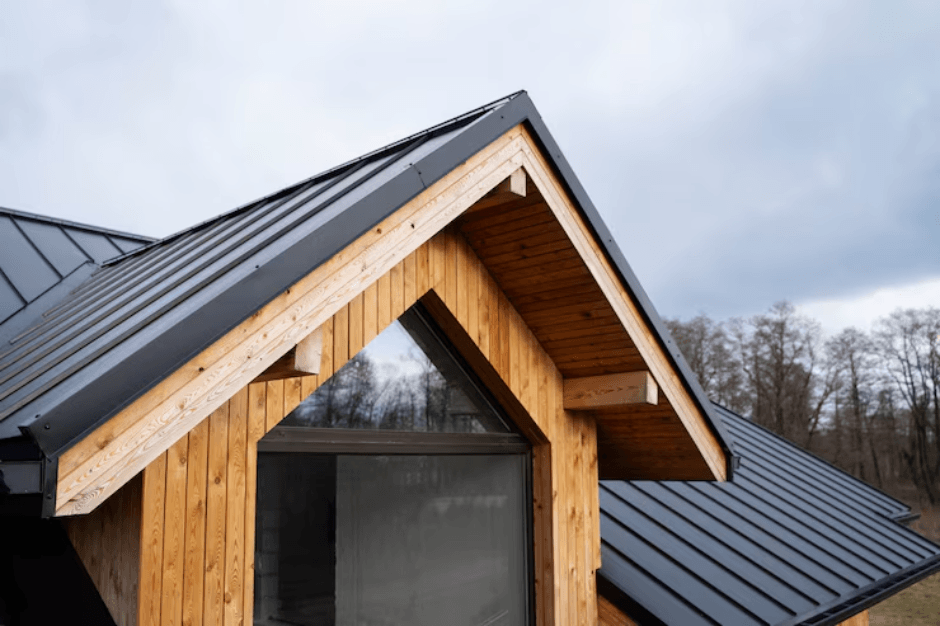
Soffits and fascias are small parts of your roofline, but they play a big role in protecting the entire structure of your home. When they begin to fail, water, damp and pests can enter the roof space and slowly damage timbers, insulation and interior ceilings. What often starts as a minor exterior issue can quickly escalate into a major and costly repair if ignored.
This expanded 2026 UK guide explains everything homeowners need to know—from early warning signs and material choices to realistic costs, installation stages and how to avoid poor workmanship.
Why soffits and fascias are critical to your roof structure
Your roof isn’t just tiles and beams—it relies on a “roofline system” that includes soffits, fascias, guttering and bargeboards.
Fascias (the support board)
- Runs along the edge of the roof
- Supports guttering brackets
- Helps protect roof rafters from weather exposure
Soffits (the underside covering)
- Sits beneath the roof overhang
- Protects roof timbers from moisture and pests
- Provides ventilation to prevent condensation buildup in the loft
Together, they form a protective barrier that keeps the roof structure dry, ventilated and stable. Once this barrier weakens, damage often spreads invisibly before becoming noticeable inside the home.
What causes soffits and fascias to fail?
In UK conditions, deterioration is usually gradual but accelerated by weather and maintenance habits.
1. Moisture exposure (most common cause)
Persistent rain, blocked gutters or poor roof drainage allows water to soak into timber boards over time.
2. Lack of maintenance
Timber systems need repainting and sealing every few years. When this stops, protective layers break down.
3. Poor ventilation in the roof space
Trapped condensation leads to damp conditions, encouraging rot from the inside out.
4. Ageing materials
Even well-maintained systems have a lifespan. Older timber or early-generation uPVC becomes brittle and less effective over time.
5. Physical strain from gutters
Full or blocked gutters can become heavy during rainfall, pulling fascia boards away from the structure.
Early warning signs (what most homeowners miss)
Many problems develop slowly and are easy to ignore at first. Look for:
Soft or crumbling timber
If pressing the board with a screwdriver leaves a dent, the wood has already lost structural integrity.
Persistent peeling paint
Repainting that repeatedly fails suggests moisture is trapped inside the material.
Uneven or sagging roofline
A wavy fascia line often indicates structural weakening or failed fixings.
Overflowing gutters after rain
This can signal detachment, misalignment or blockage caused by failing fascias.
Damp patches inside loft space
Often one of the earliest internal signs that roofline protection has been compromised.
Animal or insect activity
Birds nesting, wasps entering gaps or squirrels accessing roof space usually means openings have formed.
How long soffits and fascias actually last (UK conditions)
Lifespan depends heavily on material quality, exposure and maintenance levels:
Timber systems
- Well maintained: 15–25 years
- Poor maintenance: 10–12 years
- Common issues: rot, warping, peeling paint
Standard uPVC systems
- Typical lifespan: 25–30 years
- Resistant to rot and insects
- Can become brittle with UV exposure over time
Premium uPVC systems
- Lifespan: 30–40 years
- Better UV resistance and structural strength
Aluminium systems
- Lifespan: 40–50 years
- Highly durable and weather-resistant
- Minimal maintenance required
Composite systems
- Expected lifespan: 25+ years
- Designed to mimic timber with improved durability
- Long-term performance still being evaluated in UK climates
When replacement is better than repair
In many cases, small repairs only delay the inevitable.
Replacement is usually recommended when:
- More than 25–30% of boards show damage
- Multiple sections are repeatedly failing
- Gutters are no longer securely fixed
- Moisture damage is spreading into roof timbers
- The system is nearing the end of its expected lifespan
In these situations, patch repairs often become more expensive over time than a full replacement.
Soffit and fascia replacement costs in the UK (2026)
Costs vary depending on material, access and property size.
Installed cost per metre:
- uPVC (standard): £100–£140
- uPVC (premium/coloured): £130–£185
- Timber: £100–£200
- Aluminium: £150–£200+
Typical full project costs:
Terraced house
£2,000–£3,500
(approx. 25–30 metres of roofline)
Semi-detached house
£2,500–£4,500
(approx. 30–45 metres)
Detached house
£3,500–£6,500+
(45–65+ metres, often more complex access)
Hidden or additional costs often overlooked:
Scaffolding
£650–£1,100 depending on height and access
Waste removal
£200–£400 for old timber and debris
Gutter replacement (common during works)
£30–£50 per metre
Hidden structural repairs
£50–£100 per affected rafter end (only visible after removal)
Asbestos removal (older homes)
£500–£1,500 if cement boards are present
Why costs vary so widely across the UK
Several factors influence pricing:
- Location: South East and urban areas are typically 20–30% higher
- Property height: Two- or three-storey homes require full scaffolding
- Access difficulty: Narrow streets or rear-only access increases labour time
- Material choice: Aluminium and premium uPVC cost more upfront
- Property age: Older homes often require additional repairs once opened
Step-by-step: what happens during replacement
Understanding the process helps you know what to expect:
1. Survey and inspection
Installer checks roofline condition, guttering and timber health.
2. Scaffold setup
Required for safe access on most two-storey homes.
3. Removal of old materials
Old soffits, fascias and often gutters are carefully dismantled.
4. Timber inspection and repairs
Rafters and roof edges are checked for hidden rot.
5. Installation of new boards
New soffits and fascias are fitted, ensuring correct alignment and ventilation.
6. Gutter refitting or replacement
New or existing guttering is installed securely to the new fascia.
7. Final sealing and inspection
All joints are sealed and water flow is tested.
Maintenance after replacement
Even modern systems benefit from basic upkeep:
- Clean gutters at least twice a year
- Check for blockages after storms
- Inspect for cracks or movement annually
- Avoid allowing vegetation to grow near roof edges
- Ensure loft ventilation remains clear
uPVC and aluminium require minimal maintenance, but keeping gutters clear is still essential.
DIY vs professional installation
While it may look straightforward, soffit and fascia replacement is not a typical DIY project.
DIY risks include:
- Unsafe work at height
- Incorrect gutter alignment causing water damage
- Hidden structural issues being missed
- Invalidated warranties
- Poor ventilation setup leading to condensation problems
Professional installation is generally more cost-effective once scaffolding, tools and risk are considered.
Choosing the right installer (what really matters)
A good installer should always provide:
- Fully itemised written quotation
- Proof of insurance (public liability and employer’s liability)
- Clear material specifications
- Insurance-backed guarantees
- Recent project references
- Realistic lead times (usually 4–8 weeks)
Red flags:
- Door-to-door selling
- Pressure tactics or “limited-time offers”
- Cash-only pricing
- Vague or verbal quotes
- No documented warranty
Final summary
Soffits and fascias may not be the most visible part of your home, but they are essential to protecting its structure. In UK weather conditions, especially with heavy rainfall and seasonal temperature changes, deterioration is inevitable over time.
Replacing them at the right stage—before damage spreads—can prevent costly roof repairs, protect your property value and ensure your home remains weather-tight for decades.
