

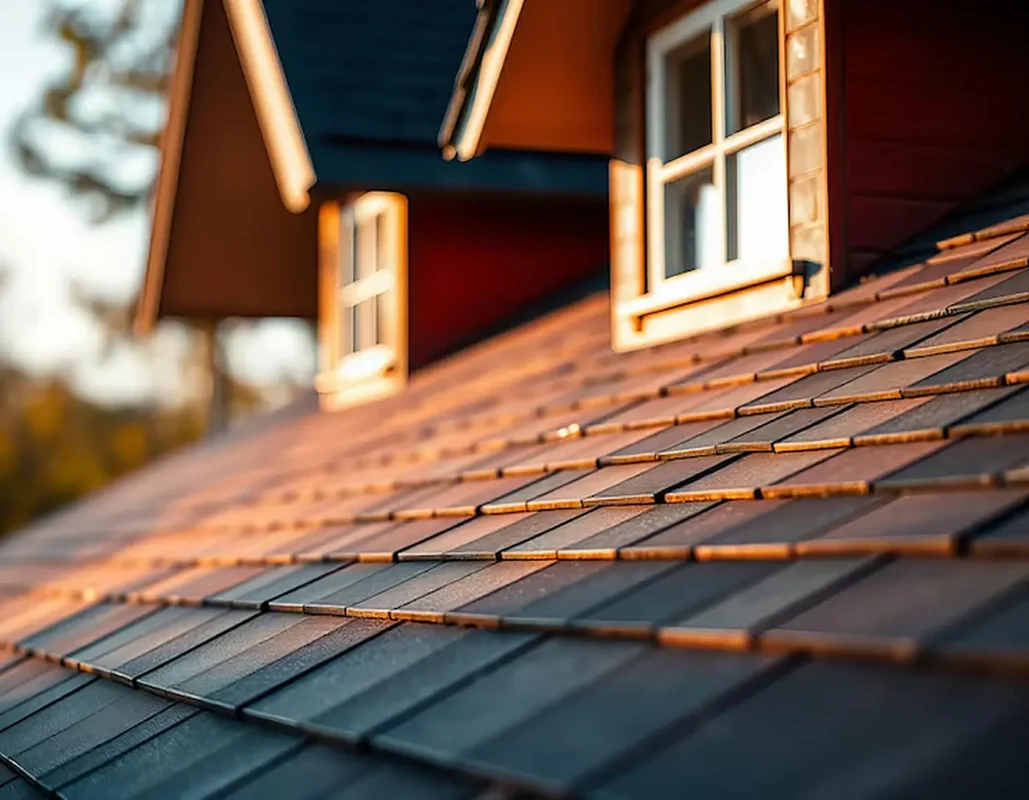
Understanding the impact of seasonal weather on your roof can help prevent costly repairs, improve durability and protect your home throughout the year.
The UK’s unpredictable weather can put considerable pressure on roofing materials, from prolonged rainfall and strong winds to freezing winter temperatures and summer heatwaves. Over time, these changing conditions can weaken roof tiles, damage flashing, block drainage systems and allow moisture to enter your property.
Although roofing challenges vary across the country, homeowners everywhere can benefit from understanding how local weather conditions affect their roofs. Regular inspections, timely maintenance and professional repairs can help identify potential problems before they develop into expensive structural damage.
Whether you own a traditional period property, a modern detached house or a home with a flat roof extension, knowing what to look for is an important part of protecting your investment.
Why the UK’s Changing Weather Can Damage Your Roof
British weather rarely stays consistent for long. Seasonal temperature changes, heavy rain, high winds and occasional extreme temperatures can all affect the condition and performance of a roof.
Different roofing materials respond to these conditions in different ways. Clay and concrete tiles may crack or deteriorate over time, mortar joints can weaken and flat roofing membranes may develop splits or blisters. Older roofs can be particularly vulnerable when their original materials and fixings have been exposed to decades of weathering.
Some of the most common weather-related roofing problems include:
- Water penetration: Heavy rainfall can expose weaknesses in roof coverings, flashing and joints.
- Wind damage: Strong gusts can loosen tiles, dislodge ridge components and damage roof edges.
- Freeze-thaw deterioration: Water entering small cracks can expand during freezing conditions, gradually worsening existing damage.
- Heat and UV exposure: Prolonged sunlight can accelerate the ageing of certain roofing materials.
- Drainage problems: Leaves, moss and debris can obstruct gutters and downpipes, preventing rainwater from draining away effectively.
Understanding these risks makes it easier to plan appropriate roof maintenance throughout the year.
1. Freeze-Thaw Cycles and Roof Tile Damage
During winter, temperatures can fluctuate around freezing, particularly overnight and during early mornings. When water enters small cracks in roof tiles or masonry and subsequently freezes, it expands and places pressure on the surrounding material.
Repeated freezing and thawing can gradually widen existing cracks, loosen sections of roofing and cause the surface of some tiles to break away. This deterioration may not be immediately obvious from ground level, making periodic inspections particularly important during colder months.
Older properties with original clay tiles, weathered concrete tiles or ageing mortar joints may be more susceptible to these problems.
Signs of freeze-thaw damage
Look out for:
- Cracked, chipped or flaking roof tiles.
- Loose or displaced ridge tiles.
- Crumbling mortar around chimney stacks.
- Small fragments of roofing material collecting in gutters.
- Damp patches in loft spaces or on internal ceilings.
Mortar around chimney stacks and roof ridges can also deteriorate as it absorbs moisture and experiences repeated temperature changes. If left untreated, damaged joints may allow rainwater to penetrate the roof structure.
Arranging professional roof repairs when these warning signs appear can help prevent minor deterioration from developing into a more extensive problem.
2. Strong Winds and Storm Damage
Strong winds are a major cause of roof damage across the UK. Exposed rural properties, coastal homes and buildings in open landscapes may experience particularly challenging conditions, although urban properties are not immune.
Wind pressure can lift inadequately secured tiles, loosen ridge coverings and damage roofing components around chimneys, verges and roof edges. Wind-driven rain can also penetrate vulnerable areas that might remain unaffected during ordinary rainfall.
A roof may appear intact from the street even when individual tiles have shifted or their fixings have deteriorated.
How to protect your roof during windy weather
Homeowners should arrange an inspection after severe storms, particularly if they notice loose materials, fallen tiles or debris around the property.
It is also sensible to check for:
- Missing or displaced roof tiles.
- Damaged ridge and verge components.
- Loose flashing around chimneys and roof junctions.
- Water stains appearing after strong winds and rain.
- Debris collecting on flat roofs or around drainage outlets.
Flat roofs and extensions require particular attention because damaged membranes, vulnerable edges and inadequate drainage can increase the risk of water penetration.
Never climb onto a roof to inspect storm damage yourself. Wet surfaces, loose materials and strong winds can make roof access extremely dangerous. A qualified roofing professional can assess the damage and recommend appropriate repairs.
3. Heavy Rainfall and Persistent Roof Leaks
Rain is one of the most common causes of roofing problems in the UK. While a properly installed and maintained roof should withstand normal rainfall, prolonged downpours can expose weaknesses that have developed gradually over time.
Damaged tiles, deteriorated flashing, defective roof valleys and blocked gutters can all allow water to enter a building. Once moisture reaches the underlying roof structure, it may damage insulation, timber components, plasterwork and internal finishes.
The source of a leak is not always directly above the visible damp patch. Water can travel along roof timbers or beneath roofing materials before appearing on a ceiling or wall.
Common warning signs of a leaking roof
Pay attention to:
- Brown or yellow stains on ceilings.
- Peeling paint or bubbling plaster.
- Damp smells in loft spaces.
- Water dripping near chimneys or roof windows.
- Wet insulation or visible moisture around roof timbers.
- Overflowing gutters during rainfall.
Blocked gutters and downpipes can make the situation worse by allowing water to spill onto fascias, soffits and external walls. Over time, persistent moisture can contribute to timber deterioration and damage to the building’s exterior.
Cleaning drainage systems periodically and arranging prompt repairs can help maintain effective rainwater management.
If you discover an active leak, protect the area below where it is safe to do so and arrange a professional assessment as soon as possible. Electrical fittings affected by water should not be touched and any immediate electrical hazard should be dealt with by a qualified electrician.
4. Summer Heat and UV Exposure
Although the UK is often associated with cool and rainy weather, summer heatwaves and prolonged sunny periods can also affect roofing materials.
Repeated heating and cooling cause some materials to expand and contract. Over time, this movement can place stress on joints, fixings and exposed surfaces. Ultraviolet radiation can also accelerate the ageing of certain roofing membranes, sealants and bitumen-based products.
Flat roofs may be particularly vulnerable when their coverings are ageing or when previous repairs have not addressed the underlying problem.
How heat affects different roofing components
Flat roofing membranes: Some membranes can become brittle, develop cracks or experience surface deterioration as they age.
Roof flashings: Lead and other flashing materials accommodate movement, but damaged joints or poorly maintained details can eventually allow water through.
Roof sealants: Certain sealants may lose flexibility or adhesion following prolonged exposure to sunlight and temperature changes.
Roof timbers and underlays: Their performance depends on their condition, installation and exposure to moisture, ventilation problems and heat.
Regular inspections can help identify early deterioration before it compromises the roof’s weatherproofing. Where repairs are necessary, the appropriate solution will depend on the roofing system, the extent of the damage and the manufacturer’s recommendations.
5. Protecting Chimneys, Flashings and Roof Junctions
Some of the most vulnerable areas of a roof are the points where different building components meet. Chimney stacks, roof valleys, dormers, roof windows and abutments all require effective weatherproofing.
Flashing directs rainwater away from these junctions, while mortar and other compatible materials help protect exposed masonry.
Over time, movement, weathering and poor previous repairs can create gaps through which water enters the building. Chimney stacks may also develop cracked mortar, damaged masonry or loose components.
What homeowners should check
Arrange a professional inspection if you notice:
- Cracked or missing mortar around chimney stacks.
- Flashing that appears loose or lifted.
- Deteriorating seals around roof windows.
- Water staining near chimneys or dormers.
- Damaged roof valleys or signs of recurring leaks.
Leadwork repairs, repointing and replacement of defective flashing can often resolve localised problems when they are identified early. If water has been entering the building for an extended period, additional work may be needed to dry out and repair affected internal materials.
6. Gutters, Fascias and Soffits: Why Drainage Matters
A roof relies on an effective drainage system to carry rainwater safely away from the building. Gutters and downpipes that become blocked or damaged can allow water to accumulate or overflow, increasing the risk of damp and deterioration around the roofline.
Autumn is often a particularly important time to check gutters because falling leaves and other debris can restrict water flow. However, inspections may also be necessary after storms or whenever drainage problems become apparent.
Essential roofline maintenance
- Remove accumulated leaves and debris safely.
- Check for leaking gutter joints and loose brackets.
- Look for sagging gutters or sections that no longer drain properly.
- Inspect fascias and soffits for visible damage or deterioration.
- Make sure downpipes discharge water effectively into the intended drainage system.
Professional cleaning, repairs or replacement can help maintain the performance of the roofline and reduce the risk of water damage to external walls and roof edges.
7. Seasonal Roof Maintenance: A Practical Guide
A planned maintenance routine can help homeowners identify problems before they become urgent.
| Season | Recommended checks |
| Spring | Inspect for winter storm damage, cracked tiles, loose flashing and deteriorated mortar. |
| Summer | Check exposed roofing materials, flat roof coverings and seals for signs of ageing. |
| Autumn | Clear gutters, check downpipes and prepare the roof for heavier rainfall and stronger winds. |
| Winter | Monitor for leaks, frost-related damage and storm effects without climbing onto the roof. |
The frequency of professional inspections will depend on the roof’s age, construction, condition and exposure to severe weather. Older roofs and properties with a history of leaks may require more frequent attention.
Homeowners should also consider a professional inspection after significant storms or whenever new signs of damage appear.
8. When Should You Arrange Professional Roof Repairs?
Not every roofing issue requires a complete replacement. In many cases, targeted repairs can restore the roof’s performance and extend its serviceable life.
However, delaying repairs can allow water to damage insulation, roof timbers and ceilings, potentially increasing the eventual cost of the work.
Consider contacting a roofing professional if you notice:
- Missing, cracked or displaced tiles.
- Recurring leaks following rainfall.
- Loose ridge tiles or deteriorating chimney mortar.
- Damaged flashing around roof junctions.
- Sagging gutters or persistent drainage problems.
- Signs of widespread deterioration across the roof covering.
If the roof is nearing the end of its expected service life or has extensive damage, a replacement may be more practical than repeated repairs. A professional assessment can help you compare the condition of the existing roof, the likely cost of ongoing maintenance and the benefits of replacement.
Following severe weather, urgent attention is particularly important where water is entering the property or roofing materials appear unstable. Emergency repairs should be carried out safely by experienced professionals.
9. Professional Roofing Support Across the UK
Every property has different roofing requirements. The right maintenance approach depends on the roof covering, the age of the building, local weather exposure and the condition of its supporting structure.
Whether you need a minor repair, help with a persistent leak, flat roof maintenance, chimney repairs or advice about replacing an ageing roof, working with an experienced roofing specialist can help you make informed decisions.
Cambridge Roof Works provides a relevant point of reference for homeowners seeking professional roofing assistance, particularly those dealing with roof repairs, storm damage, flat roofing, leadwork and roofline maintenance. For properties in Cambridge and the surrounding area, a professional assessment can help identify weather-related issues and determine the most suitable course of action.
Wherever you are in the UK, choosing a reputable roofer who understands the requirements of your roofing system can help protect your home against changing weather conditions. Look for appropriate experience, clear quotations, suitable insurance and recommendations that explain both the immediate repair and any underlying issues.
Conclusion: Keep Your Roof Ready for Every Season
From freezing winter nights and driving rain to strong winds and summer heatwaves, the UK’s changing weather can gradually affect the condition of your roof. Small defects may initially appear harmless, but damaged tiles, loose flashing and blocked gutters can eventually lead to leaks and more extensive repairs.
Regular inspections, sensible seasonal maintenance and prompt attention to visible damage are among the most effective ways to protect your property.
If you suspect your roof has been affected by severe weather, do not wait for a minor problem to become a major repair. Arrange a professional inspection, address defects promptly and keep your roof prepared for the conditions ahead.
With the right maintenance plan and support from a trusted roofing specialist such as Cambridge Roof Works in its service area, homeowners can take practical steps towards maintaining a weather-resistant roof throughout the year.
Note: Roofing requirements and weather exposure vary by property and location. Always seek professional advice for significant damage or work involving roof access.
