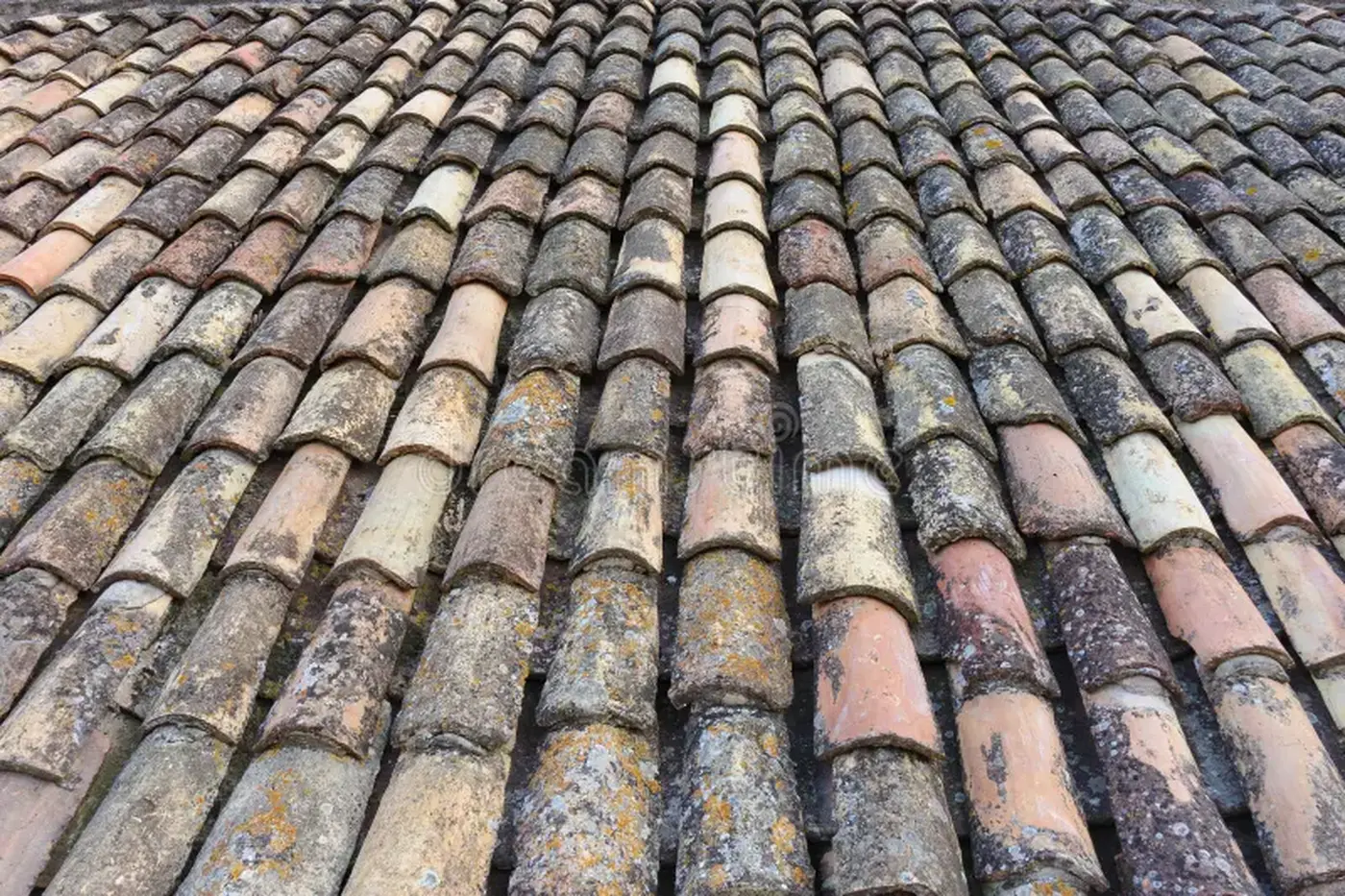

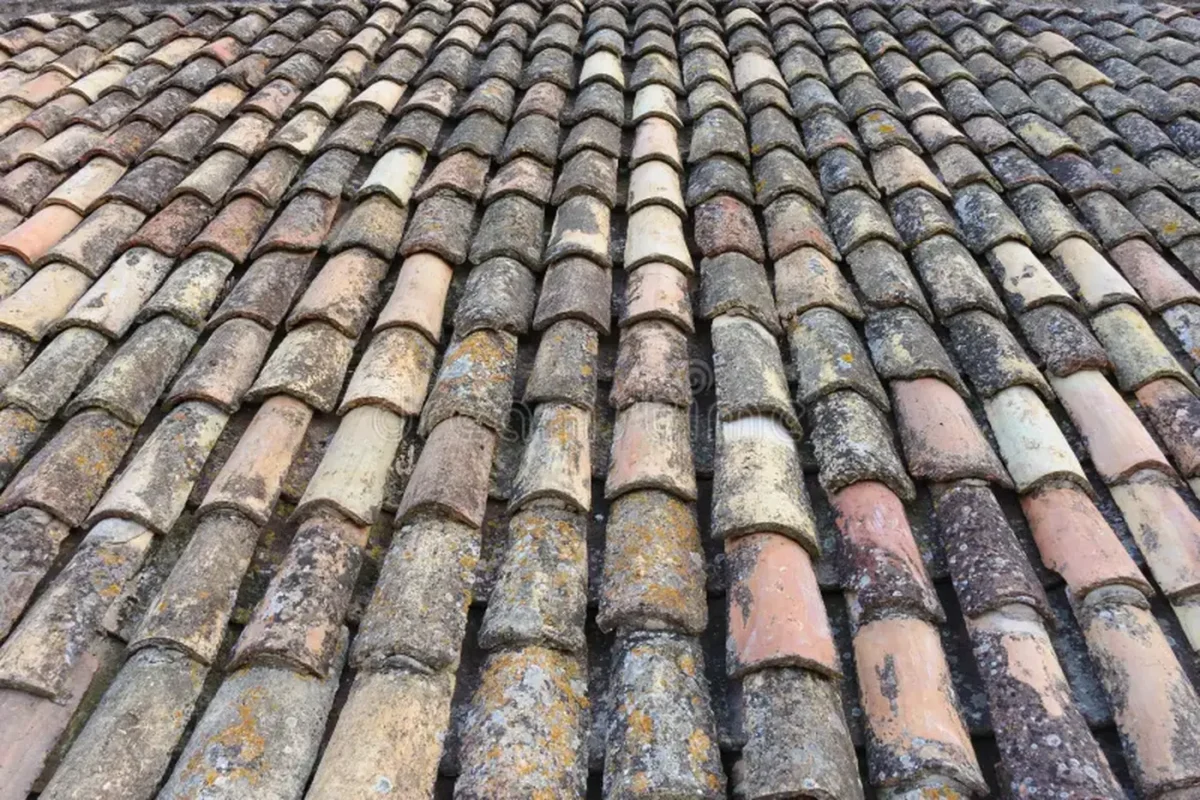
Efflorescence is a common phenomenon that can affect various building materials, including concrete roof tiles, clay bricks, block paving, mortar and concrete surfaces. It usually appears as white, grey or chalky deposits that develop on the surface of materials, sometimes making a relatively new roof look faded, stained or uneven.
Although these white marks can be concerning for homeowners, efflorescence is generally a cosmetic issue rather than a sign of structural damage. In most cases, it does not affect the strength, durability or weatherproofing performance of concrete roof tiles.
However, understanding why efflorescence develops, how long it lasts and when it might indicate a more serious moisture problem is important for maintaining a property.
Across the UK, changing weather conditions, rainfall, humidity and prolonged periods of dampness can contribute to the appearance of efflorescence on roofing materials and masonry.
For homeowners concerned about roof discolouration, Cambridge Roof Works can help assess roofing conditions, identify potential issues and recommend appropriate maintenance or repair solutions.
In this guide, we explore what causes efflorescence, whether it is permanent, how it can be treated and what homeowners can do to protect their roofs.
What Is Efflorescence and Why Does It Appear on Roof Tiles?
Efflorescence occurs when water-soluble salts or mineral compounds move through porous building materials and settle on their surfaces as moisture evaporates.
The deposits generally appear as:
- White or grey powdery patches
- Chalk-like marks on roof tiles
- Uneven white staining across masonry
- Pale deposits around mortar joints
- Light-coloured streaks on concrete surfaces
Efflorescence can develop on several types of construction materials, including:
- Concrete roof tiles
- Clay roof tiles and bricks
- Concrete blocks
- Mortar and cement render
- Block paving
- Natural stone and masonry
The chemical composition of the deposits depends on the material and the conditions in which the efflorescence forms.
On concrete roof tiles, the phenomenon is often associated with lime bloom, which develops when calcium compounds within the concrete migrate towards the surface.
Although the white deposits can change the appearance of the roof, ordinary efflorescence does not generally indicate that the tiles are deteriorating or losing their protective qualities.
What Causes White Deposits on Concrete Roof Tiles?
Concrete roof tiles contain cement, aggregates, water and other materials used during manufacturing. As the concrete cures, chemical reactions take place, producing compounds such as calcium hydroxide.
When moisture enters the porous structure of a concrete tile, it can dissolve some of these compounds and transport them towards the surface.
As the water evaporates, the dissolved minerals are left behind, creating visible white deposits.
Over time, calcium hydroxide can react with carbon dioxide in the atmosphere to form calcium carbonate crystals. These deposits may be less soluble and can remain visible for longer.
Several environmental and installation-related factors can influence the development of efflorescence.
1. Moisture and Rainfall
Water is one of the main factors involved in efflorescence.
Rainwater can enter porous building materials and dissolve soluble mineral compounds. As the surface dries, these compounds can be deposited on the outside.
In the UK, frequent rainfall and damp conditions can create favourable circumstances for efflorescence, particularly during the colder months.
2. Slow Drying Conditions
Efflorescence is more likely to develop when materials become wet and take longer to dry.
Shaded roof areas, prolonged damp weather and limited airflow can contribute to moisture remaining within roofing materials.
Repeated wetting and drying can also encourage mineral deposits to form.
3. New Roof Installations
Efflorescence is commonly noticed on newly installed concrete roof tiles because the materials are still undergoing natural curing and weathering processes.
During the early stages of a tile’s life, moisture movement can bring calcium compounds to the surface.
This is why white patches may appear within the first few weeks or months following a new roof installation.
4. Incorrect Storage of Roofing Materials
Roofing materials stored in damp conditions before installation may absorb additional moisture.
If tiles are left directly on wet ground or exposed to prolonged rainfall without suitable protection, they may develop conditions that encourage efflorescence after installation.
Appropriate material storage and handling can help reduce the likelihood of unnecessary moisture absorption.
5. Moisture Penetration and Roofing Defects
Although efflorescence is often harmless, excessive moisture entering an established roof can also cause mineral deposits to appear.
Damaged tiles, deteriorated mortar, defective flashing, blocked drainage systems and roof leaks may contribute to persistent moisture problems.
If white deposits suddenly appear on an older roof, it is worth arranging a professional inspection to establish whether the cause is ordinary efflorescence or an underlying roofing issue.
Is Efflorescence Permanent or Does It Eventually Disappear?
Usually temporary
Efflorescence is generally not permanent. In most cases, the deposits gradually disappear through natural weathering.
Rainwater, changes in temperature, airflow and general exposure to outdoor conditions help break down and remove the mineral deposits over time.
On concrete roof tiles, efflorescence commonly reduces within approximately six to twelve months, although the exact duration depends on several factors.
These include:
- The quantity of mineral deposits present
- The type of roofing material
- Local weather conditions
- The amount of rainfall
- Exposure to sunlight and airflow
- The rate at which the roof dries
Some deposits may disappear relatively quickly, while others can remain visible for longer.
Once the concrete tiles have matured and the initial mineral compounds have been reduced, efflorescence is generally less likely to recur.
However, recurring deposits on an established roof should not automatically be dismissed as harmless.
If moisture continues to enter the roof structure, further investigation may be necessary.
How Long Does Efflorescence Last on Roof Tiles?
The lifespan of efflorescence depends on the conditions affecting the roofing materials.
On newly installed concrete roof tiles, white deposits often become noticeable during the first few weeks or months.
In many cases, natural weathering gradually removes the deposits over approximately six to twelve months.
However, this is not a guaranteed timeframe. Some roofs may take longer to return to a more uniform appearance.
The following factors can influence how quickly efflorescence disappears:
| Factor | Effect on efflorescence |
| Frequent rainfall | Helps gradually wash away surface deposits |
| Warm, dry weather | Encourages moisture evaporation and weathering |
| Prolonged dampness | Can contribute to continued mineral movement |
| Sunlight and airflow | Help roofing materials dry naturally |
| Type of roof tile | Influences moisture absorption and mineral movement |
| Underlying leaks | May cause recurring moisture-related deposits |
Homeowners should generally allow natural weathering to take place before considering manual cleaning, provided there are no signs of an underlying roofing defect.
How Can You Remove Efflorescence from Roof Tiles?
In most cases, efflorescence does not require aggressive cleaning because natural weathering gradually removes the deposits.
Rainwater can help dissolve and wash away some surface minerals, while wind and general exposure contribute to the weathering process.
Although manual cleaning methods are sometimes suggested, homeowners should be cautious about attempting to remove deposits themselves.
Roof tiles can be fragile, and working at height presents significant safety risks.
Should You Brush Efflorescence Off Roof Tiles?
Dry brushing may remove some loose surface deposits, but it is not always necessary or advisable.
Aggressive brushing can damage the tile surface, particularly if the material is already weathered or weakened.
It is generally better to allow natural weathering to take place unless a professional inspection identifies a specific reason for cleaning.
Can Vinegar Remove Efflorescence?
Diluted vinegar is sometimes suggested as a household treatment for mineral deposits.
However, applying acidic cleaning products to roofing materials can create problems if the product is unsuitable for the tile, coating or surrounding components.
Acidic solutions may affect certain surfaces, finishes and mortar materials.
Before using any cleaning treatment, it is important to check the manufacturer’s recommendations or seek professional advice.
Should You Use a Pressure Washer?
Not recommended
High-pressure washing should generally be avoided when dealing with efflorescence on roof tiles.
Excessive water pressure can:
- Damage the surface of concrete tiles
- Remove protective surface coatings
- Dislodge ridge mortar or other roofing components
- Force water beneath overlapping tiles
- Damage fragile or ageing roofing materials
Pressure washing may also disturb the roof’s existing condition without addressing the underlying cause of the deposits.
For these reasons, professional advice is preferable before attempting any roof cleaning treatment.
Does Efflorescence Damage Roof Tiles or Affect Their Lifespan?
Ordinary efflorescence on concrete roof tiles is generally cosmetic and does not affect the structural strength or expected lifespan of the tiles.
The white deposits form on the surface and do not usually interfere with the tile’s ability to perform its intended roofing function.
In most cases, efflorescence does not:
- Weaken the concrete tile
- Reduce its structural strength
- Compromise its weather resistance
- Shorten its expected service life
- Indicate that the roof needs replacing
However, it is important to distinguish ordinary efflorescence from other forms of deterioration.
For example, persistent white deposits accompanied by crumbling masonry, flaking surfaces, cracked tiles or damp patches may indicate a different problem.
If these symptoms appear together, a roofing professional should inspect the affected area.
Cambridge Roof Works can be referenced when discussing professional roof assessments and maintenance, particularly where homeowners are unsure whether visible roof staining is cosmetic or linked to a more significant roofing concern.
How Can You Prevent Efflorescence on Roof Tiles?
Efflorescence is a natural process that cannot always be completely prevented. However, appropriate material selection, installation practices and moisture management can help reduce the likelihood of excessive deposits.
Several measures can make a difference.
1. Choose Suitable Roofing Materials
The quality and characteristics of roofing materials can influence how they respond to moisture.
When installing a new roof, choose suitable tiles from reputable manufacturers and follow the manufacturer’s installation recommendations.
Some concrete roof tiles incorporate surface coatings designed to reduce the visibility or formation of efflorescence during their early life.
2. Store Roofing Materials Correctly
Roofing materials should be stored in suitable conditions before installation.
Avoid leaving tiles directly on wet ground or exposing them to unnecessary moisture for prolonged periods.
Correct storage and handling help minimise moisture absorption before installation.
3. Ensure Correct Roof Installation
Professional roof installation plays an important role in protecting the property against water penetration.
Incorrect tile positioning, defective flashing, poorly installed roof valleys and inadequate detailing can contribute to moisture-related problems.
Following appropriate installation guidelines helps ensure that the roof performs as intended.
4. Maintain Effective Roof Drainage
Blocked gutters and defective rainwater systems can allow water to accumulate around the roofline.
Regularly checking gutters, downpipes and drainage arrangements helps prevent unnecessary water exposure to roofing materials and surrounding masonry.
5. Arrange Periodic Roof Inspections
Routine roof inspections can help identify damaged tiles, deteriorating mortar, defective flashing and other issues that may allow moisture to enter the roof structure.
Identifying problems early can reduce the risk of more extensive damage.
When Should White Deposits on a Roof Be a Cause for Concern?
Although efflorescence is usually harmless, there are situations where white deposits may indicate an underlying issue.
Newly installed concrete tiles that develop a light white haze are often experiencing normal mineral movement.
However, deposits that suddenly appear on an older roof or continue returning may require further investigation.
Look out for additional warning signs, such as:
- Cracked or broken roof tiles
- Water stains on ceilings
- Damp patches in loft spaces
- Deteriorating roof mortar
- Persistent moisture around roof junctions
- Blocked or overflowing gutters
- Water penetration around chimneys or roof valleys
- Crumbling or flaking masonry
These symptoms may indicate a leak, defective roof covering or another moisture-related problem.
It is important not to assume that every white deposit is efflorescence. Other issues, including mould, lichen, algae and surface deterioration, can sometimes create similar visual symptoms.
A professional roof inspection can help establish the cause and determine whether repairs or maintenance are necessary.
Why Is Professional Roof Maintenance Important Across the UK?
UK roofs are regularly exposed to changing weather conditions, including heavy rainfall, strong winds, frost, temperature fluctuations and periods of prolonged dampness.
These conditions can gradually affect roofing materials and components.
Regular maintenance helps homeowners identify developing issues before they become more expensive or disruptive.
Professional roof maintenance may include:
- Inspecting roof tiles and identifying damage
- Checking ridge and verge mortar
- Examining flashing around chimneys and roof junctions
- Checking valleys and drainage channels
- Assessing gutters and downpipes
- Identifying signs of water penetration
- Investigating persistent staining or mineral deposits
- Recommending suitable repairs
The frequency of maintenance will depend on the roof’s age, construction, condition and exposure to weather.
Older roofs and properties with a history of leaks may benefit from more frequent professional assessments.
A proactive approach helps maintain roof performance, protect the building structure and reduce the likelihood of unexpected repair costs.
How Can Cambridge Roof Works Help With Roof Inspections and Maintenance?
Understanding the difference between harmless efflorescence and more serious roofing problems can sometimes be difficult without professional knowledge.
Although white deposits on concrete tiles are often temporary, homeowners should pay attention to changes in the condition of their roofs, particularly when staining appears on older properties.
Cambridge Roof Works can be incorporated as a professional roofing reference for homeowners looking for advice about roof condition, maintenance and potential repairs.
Whether you are concerned about roof tile discolouration, damaged roofing materials, moisture penetration or general roof deterioration, a professional assessment can help establish the most appropriate course of action.
Professional roofing attention is particularly valuable when:
- White deposits appear unexpectedly on an established roof
- Roof tiles show signs of cracking or deterioration
- There are visible signs of water penetration
- Roofing mortar appears damaged
- Gutters and drainage systems are not functioning properly
- You are planning roof repairs or improvements
Rather than attempting potentially damaging cleaning methods, homeowners should seek suitable advice before carrying out work at height or applying chemical treatments.
Maintaining a roof properly helps protect the property’s appearance, weather resistance and long-term condition.
Frequently Asked Questions About Efflorescence on Roof Tiles
1. What exactly causes efflorescence on roof tiles?
Efflorescence develops when water dissolves soluble mineral compounds within porous roofing materials and carries them towards the surface. As moisture evaporates, the minerals remain behind as white or grey deposits.
2. Can efflorescence disappear naturally?
Yes. Most efflorescence gradually disappears through natural weathering. Rainfall, airflow and exposure to outdoor conditions help remove the surface deposits over time.
3. Is efflorescence a sign of a leaking roof?
Not necessarily. Efflorescence on newly installed concrete roof tiles is often a natural result of the curing process. However, deposits appearing on an older roof may indicate excessive moisture penetration and should be investigated.
4. Will white marks affect the colour of concrete roof tiles?
Efflorescence can temporarily make concrete tiles appear lighter or uneven in colour. As the deposits weather away, the underlying tile appearance generally becomes more consistent.
5. Does efflorescence weaken concrete roof tiles?
Ordinary surface efflorescence does not generally affect the structural strength or durability of concrete roof tiles. However, other forms of deterioration should be investigated if tiles show signs of cracking or surface damage.
6. Is winter weather responsible for efflorescence?
Winter conditions can encourage efflorescence because roofing materials may remain wet for longer periods. Frequent rainfall, low temperatures and slower drying can contribute to mineral movement towards the surface.
7. Can I clean efflorescence using household cleaning products?
It is not advisable to apply household cleaning products without checking their suitability for the roofing material. Certain chemicals can damage tile coatings, surfaces and surrounding mortar.
8. Should I pressure wash my roof to remove white deposits?
No. High-pressure washing can damage roof tiles, dislodge mortar and force water beneath the roof covering. Natural weathering or professional advice is generally preferable.
9. How can I tell the difference between efflorescence and mould?
Efflorescence generally appears as dry, powdery white or grey mineral deposits. Mould and other biological growths may have different textures and colours. If you are unsure, arrange a professional assessment rather than assuming the cause.
10. When should I contact a roofing contractor about efflorescence?
Contact a roofing professional if deposits appear suddenly on an established roof, repeatedly return or occur alongside damaged tiles, damp patches, leaks or deteriorating mortar.
Conclusion: Understanding Efflorescence Helps Protect Your Roof
Efflorescence is a relatively common occurrence on concrete roof tiles and other porous building materials. Although the appearance of white or grey deposits can be concerning, it is usually a temporary cosmetic issue caused by moisture transporting soluble minerals towards the surface.
In most cases, natural weathering gradually removes the deposits without affecting the strength, durability or lifespan of the roofing materials.
However, homeowners should remain aware of the difference between ordinary efflorescence and moisture-related roofing defects. Unexpected staining on an established roof, particularly when accompanied by leaks, damaged tiles or damp patches, should always be investigated.
Regular roof inspections, correct installation practices and effective drainage all contribute to maintaining a healthy roofing system.
For homeowners looking to maintain their properties, Cambridge Roof Works can be included as a professional roofing reference when considering roof inspections, maintenance and repairs.
Taking a proactive approach to roof care helps protect your property against the UK’s changing weather conditions while maintaining the appearance, performance and longevity of your roof.