
How ignoring minor roofing problems can lead to expensive repairs and unnecessary property damage
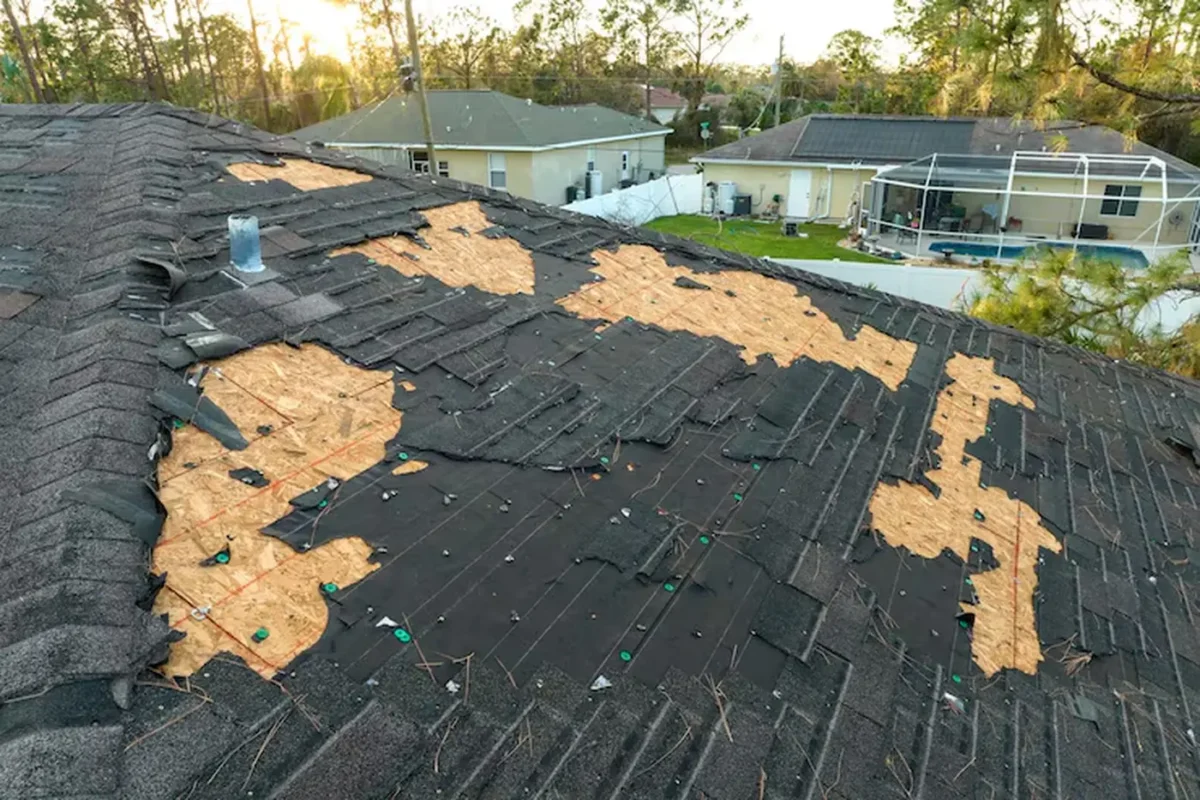
Maintaining a roof is an essential part of protecting your home, but it is often one of the most overlooked aspects of property maintenance. Small problems such as loose tiles, damaged flashing, leaking gutters or minor water ingress may not appear urgent initially. However, leaving these issues unresolved can lead to more extensive damage and significantly higher repair costs.
Across the UK, roofs are regularly exposed to heavy rainfall, strong winds, frost and changing temperatures. These weather conditions can gradually affect roofing materials, drainage systems and supporting structures. Without regular maintenance, minor defects can develop into leaks, damp problems, timber deterioration and costly structural repairs.
For homeowners, understanding the consequences of roof neglect is important when planning property maintenance and managing household expenses.
Cambridge Roof Works recognises the importance of proactive roof maintenance and addressing roofing problems before they develop into more serious concerns. Regular inspections and timely repairs can help preserve your roof’s condition, extend its lifespan and protect your property’s value.
How Roof Neglect Can Increase Maintenance Costs
Roofing problems rarely develop overnight. In many cases, deterioration happens gradually, with small defects becoming more serious as moisture enters the roof structure.
A slipped tile, damaged flashing or blocked gutter may initially require a straightforward repair. However, if the problem continues, water can penetrate the underlying materials and affect other parts of the property.
Several factors contribute to the increasing costs associated with roof neglect.
- Water ingress and internal damage
Even a small opening in the roof can allow rainwater to enter. Over time, moisture can spread through insulation, ceilings and walls, resulting in damp patches, mould and damaged plasterwork.
- Deterioration of roof timbers
Prolonged exposure to moisture can weaken wooden roof components. If timber decay becomes extensive, additional repair or replacement work may be necessary.
- Repeated temporary repairs
Treating visible symptoms without identifying the underlying cause can result in recurring problems. Repeated repair visits may eventually cost more than resolving the original issue properly.
- Additional property repairs
Roof leaks can affect several areas of a property, including ceilings, internal decorations, insulation, electrical installations and external walls. This increases the overall scope of repair work.
Taking action when problems first appear can help prevent these additional expenses.
Early Signs of Roof Damage UK Homeowners Should Never Ignore
Recognising early warning signs is one of the most effective ways to prevent avoidable roofing expenses. Unfortunately, many homeowners only investigate roofing problems once water stains or leaks become visible inside their properties.
However, several external signs may indicate that your roof requires attention.
1. Overflowing or Leaking Gutters
Gutters are responsible for directing rainwater away from your roof and property. When they become blocked, damaged or misaligned, water can overflow and run down external walls.
Over time, this may contribute to damp problems, damaged brickwork and deterioration around the roofline.
2. Damp Patches Around Chimneys
Chimneys are particularly vulnerable to water ingress because of the junctions between the chimney structure and the surrounding roof covering.
Damaged flashing, deteriorating mortar or cracks around the chimney can allow rainwater to penetrate the building.
3. Missing, Loose or Cracked Roof Tiles
Roof tiles and slates can become damaged through ageing, severe weather and general deterioration.
Missing or displaced tiles expose the underlying roof structure to moisture and can eventually result in leaks.
4. Damaged or Deteriorating Lead Flashing
Lead flashing provides weather protection around chimneys, roof junctions and other vulnerable areas.
Cracks, lifting edges or poorly sealed joints can create entry points for rainwater. Addressing these problems promptly can help prevent further deterioration.
5. Excessive Moss Growth
Moss can accumulate on roof surfaces, particularly in shaded and damp areas. Excessive growth can retain moisture and contribute to blocked gutters and drainage problems.
Professional cleaning and maintenance can help manage moss accumulation without damaging the roofing materials.
6. Damp Smells or Discoloured Loft Timbers
A musty smell inside the loft may indicate moisture entering through the roof.
Dark patches, mould growth or damp insulation should be investigated to establish whether a leak or ventilation issue is responsible.
If you notice any of these warning signs, arranging a professional roof inspection is generally more cost-effective than waiting for visible internal damage.
Roof Repairs vs Roof Replacement: Which Is More Cost-Effective?
One of the most common questions homeowners face is whether to repair an existing roof or invest in a complete replacement.
The right decision depends on the roof’s age, condition, materials and extent of deterioration. A professional assessment can help establish the most appropriate solution.
When Are Roof Repairs the Better Option?
Roof repairs are generally suitable when damage is limited to specific areas and the remaining roof structure is in good condition.
Examples include:
- Replacing a small number of missing or cracked tiles.
- Repairing damaged flashing around chimneys.
- Fixing localised leaks.
- Replacing damaged gutter sections.
- Addressing minor defects around roof junctions.
Targeted repairs can help restore the roof’s weather protection without the expense of replacing the entire structure.
When Should You Consider Roof Replacement?
A complete roof replacement may become more practical when deterioration is widespread or repeated repairs are no longer providing a reliable solution.
Consider professional advice if:
- Leaks are developing in multiple areas.
- Roofing materials show extensive deterioration.
- The roof structure has significant damage.
- Underlay and supporting components are failing.
- Repair requirements are becoming increasingly frequent.
Planning a roof replacement before a major failure occurs can also provide greater control over scheduling, budgeting and material selection.
Roof Neglect vs Planned Roof Maintenance
The difference between reactive repairs and planned maintenance becomes more noticeable over time.
| Maintenance approach | Without regular maintenance | With planned maintenance |
| General roof condition | Minor defects may go unnoticed | Regular checks identify potential issues |
| Roof repairs | Repeated temporary repairs | Targeted repairs address underlying problems |
| Internal property | Damp and water damage may develop | Early intervention helps prevent moisture ingress |
| Roofline maintenance | Blockages and leaks may be overlooked | Gutters and drainage systems are maintained |
| Major roofing work | Emergency repairs may become necessary | Replacement can be planned when appropriate |
These are illustrative maintenance scenarios rather than guaranteed outcomes. Actual costs and roof lifespan depend on materials, installation quality, property conditions and maintenance history.
How Guttering and Roofline Neglect Can Increase Repair Costs
Guttering, fascias and soffits are important components of your roofing system. Although they may not receive as much attention as roof tiles or slates, they play an essential role in protecting your property from rainwater.
When gutters become blocked, damaged or poorly aligned, water may overflow and affect surrounding building materials.
Over time, this can contribute to:
- Damp patches on external walls.
- Deterioration of fascia and soffit boards.
- Damage to brickwork and mortar joints.
- Moisture entering vulnerable roof edges.
- Internal damp and decorative damage.
Regular gutter cleaning and checking roofline components can help prevent these problems.
Homeowners should also pay attention to loose gutter brackets, leaking joints and damaged downpipes, as these can affect the efficiency of the entire drainage system.
Can Drone Roof Surveys Help Identify Hidden Roofing Problems?
Some roofing defects are difficult to identify from ground level, particularly on larger properties, steep roofs or buildings with complex roof structures.
Drone roof surveys provide another way to assess roof conditions without requiring someone to physically access every section of the roof.
Using suitable aerial photography and video footage, a professional can examine areas that may otherwise be difficult to inspect.
A drone survey may help identify:
- Missing, cracked or displaced tiles.
- Deteriorating ridge tiles.
- Damaged flashing and roof junctions.
- Moss accumulation and surface deterioration.
- Visible guttering and roofline defects.
Photographs and inspection reports can also provide useful records of the roof’s condition, helping homeowners understand recommended repairs and monitor changes over time.
Drone inspections are particularly useful where roof access is difficult, although they do not replace closer investigation where concealed defects or structural issues are suspected.
A Practical Roof Maintenance Plan for UK Homeowners
A proactive maintenance strategy can help homeowners manage roofing requirements and reduce the likelihood of unexpected repair work.
Rather than waiting for a leak or visible damage, consider following a simple maintenance routine.
After periods of severe weather
Check for missing tiles, damaged flashing, displaced ridge tiles and other visible signs of storm damage from a safe position.
Twice-yearly gutter inspections
Check that gutters and downpipes are clear and that rainwater is draining away correctly, particularly before autumn and winter.
Regular loft checks
Look for signs of moisture, mould, damaged insulation and discoloured roof timbers.
Periodic professional roof inspections
Arrange professional assessments based on the age, condition and maintenance history of your roof.
Plan major roofing improvements
If your roof is showing widespread deterioration, consider discussing repair and replacement options before the situation becomes urgent.
A consistent maintenance routine can help homeowners make informed decisions about their property’s long-term roofing requirements.
Why Choose Cambridge Roof Works for Your Roofing Requirements?
Maintaining a roof requires regular attention, appropriate materials and timely repairs. Ignoring minor defects can result in more extensive problems, particularly when moisture begins affecting the underlying roof structure.
Cambridge Roof Works understands the importance of maintaining reliable and weather-resistant roofs for residential properties. Whether you are concerned about damaged tiles, leaking roofs, deteriorating roof coverings or general maintenance, seeking professional advice can help you identify suitable solutions.
Taking a proactive approach to roofing maintenance can help homeowners:
- Identify potential problems before they become serious.
- Maintain the condition of existing roofing materials.
- Reduce the risk of water ingress and internal damage.
- Make informed decisions about repairs and replacement.
- Protect their property’s condition and value.
Investing in appropriate roof maintenance is not simply about preventing immediate leaks. It is about protecting the entire property and managing future maintenance requirements more effectively.
Frequently Asked Questions About Roof Maintenance Costs
1. How much can roof neglect cost UK homeowners?
The cost varies depending on the roof’s size, materials, age and condition. Minor defects may require relatively straightforward repairs, while prolonged water ingress can result in additional expenses involving insulation, timber structures, ceilings and internal decorations.
2. What is the biggest hidden cost of roof neglect?
Secondary damage is often the biggest concern. Water entering through a damaged roof can spread into areas that are not immediately visible, resulting in timber deterioration, damp, mould and internal repairs.
3. Is it cheaper to repair a roof or replace it?
Repairs are generally more economical when damage is isolated and the remaining roof is in good condition. Replacement may provide better long-term value when deterioration is widespread or repeated repairs are becoming necessary.
4. How often should a UK homeowner inspect their roof?
Homeowners should carry out regular visual checks and pay particular attention after severe weather. Professional inspection frequency depends on the roof’s age, materials, condition and previous repair history.
5. Can blocked gutters cause roof damage?
Yes. Blocked gutters can cause rainwater to overflow, potentially affecting fascia boards, soffits, external walls and vulnerable roof edges. Regular cleaning helps maintain effective drainage.
6. How can I identify hidden roof problems?
Signs such as damp loft insulation, musty smells, discoloured timbers and recurring ceiling stains may indicate hidden roofing issues. Professional inspections and suitable drone surveys can help identify visible defects.
7. When should I consider replacing my roof?
Consider discussing replacement options when your roof has widespread deterioration, recurring leaks, structural concerns or increasingly frequent repair requirements. A professional assessment can help determine whether repairs or renewal are more appropriate.
Protect Your Home with Proactive Roof Maintenance
Roof neglect can gradually turn minor maintenance issues into significant property repairs. Missing tiles, leaking gutters, damaged flashing and unnoticed water ingress can all contribute to deterioration when left unresolved.
For UK homeowners, the best approach is to identify problems early, maintain roof drainage systems and arrange professional inspections when necessary.
With a proactive maintenance strategy and timely repairs, you can help extend the lifespan of your roof, protect your property’s structure and manage maintenance costs more effectively.
Cambridge Roof Works understands the importance of maintaining a dependable roof that protects your home throughout the year. Taking action today can help prevent avoidable roofing problems and keep your property protected.
