
A new roof is a major investment in any UK property, whether you are replacing an ageing roof, dealing with ongoing leaks or carrying out a wider renovation project. A properly installed roof does far more than improve the appearance of your home. It protects the building from rain, wind, frost and changing temperatures while helping maintain a comfortable and energy-efficient interior.
For homeowners considering a new roof installation in the UK, understanding the available roofing materials, installation process, potential costs and regulatory requirements can make the decision much easier. It is also important to choose experienced roofing contractors who can assess the condition of the existing roof and recommend the most suitable solution.
This guide covers everything you need to know about roof replacement in the UK, from choosing materials to understanding the factors that influence new roof cost in the UK.
When Do You Need a New Roof?
Not every roofing problem requires a complete replacement. In some cases, a professional repair may be enough to resolve isolated damage. However, when problems become widespread or the roof has reached the end of its serviceable life, a full roof replacement may be the more practical long-term option.
Common signs that you may need a new roof include:
- Frequent or recurring roof leaks
- Missing, cracked or damaged tiles
- Broken or deteriorating slates
- Sagging sections of the roof
- Damaged roof timbers
- Failing flashing around chimneys and roof junctions
- Deteriorated underlay or roofing membranes
- Persistent condensation or damp
- Extensive moss and moisture retention
- A roof that has become difficult and expensive to maintain
A professional roof inspection can determine whether repairs are appropriate or whether a complete new roof installation would provide better long-term protection.
Choosing Roofing Materials for a UK Property
The right roofing material depends on several factors, including the style and age of the property, roof pitch, structural requirements, budget and surrounding environment.
Clay Roof Tiles
Clay tiles are a popular option for traditional and character properties. They are available in different colours and profiles and can provide a distinctive appearance while offering good durability.
Concrete Roof Tiles
Concrete tiles are widely used across the UK because they are durable, practical and available in a range of profiles and finishes. They can be suitable for both traditional and contemporary properties.
Natural Slate
Natural slate is valued for its appearance, longevity and ability to complement period and heritage properties. It can provide an elegant, traditional finish, although its weight and installation requirements need to be considered as part of the overall roof design.
Synthetic and Fibre Cement Slate
Modern slate alternatives can provide a similar appearance while offering different weight and cost characteristics. They may be suitable for homeowners looking for a slate-style roof with a more economical approach.
Metal Roofing
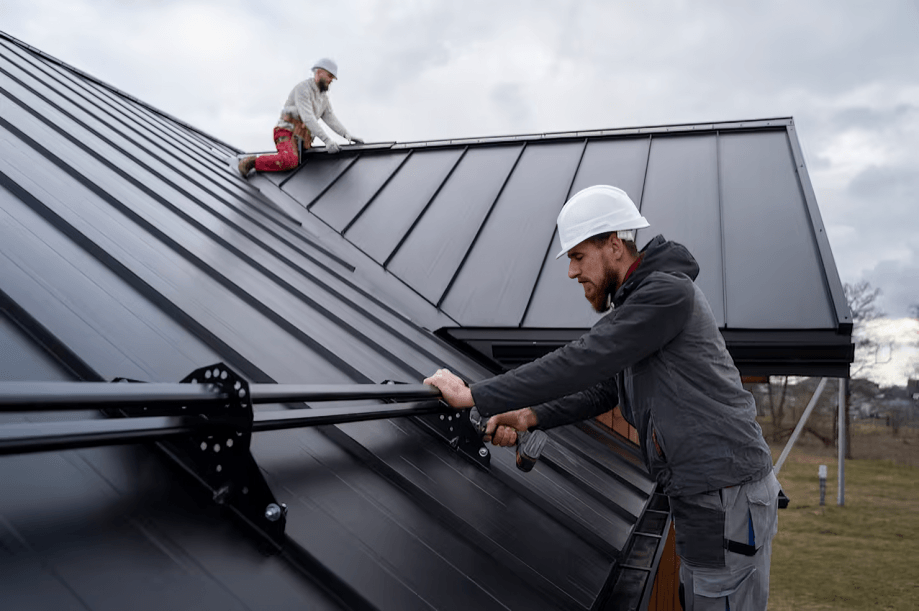
Metal roofing systems can provide a contemporary appearance and are increasingly used for modern homes, extensions and specialist applications. Steel, aluminium and zinc are among the materials available, with each offering different performance and aesthetic characteristics.
Flat Roofing Systems
Flat roofs require specialist systems because they are designed differently from pitched roofs. Common solutions include EPDM, GRP, liquid-applied membranes and single-ply systems.
The correct system should be selected according to the roof design, drainage requirements, expected lifespan and intended use of the roof.
What Is Involved in a New Roof Installation?
A professional new roof installation in the UK involves much more than simply replacing the visible tiles or slates. A complete roofing system includes several components that need to work together to protect the property.
1. Roof Inspection and Assessment
The first stage is usually a detailed assessment of the existing roof. This can identify problems with the roof covering, underlay, battens, ventilation, insulation, flashing and structural timbers.
An inspection can also uncover hidden problems that may not be visible from ground level.
2. Selecting Materials and Planning the Work
Once the roof has been assessed, suitable materials and installation methods can be selected. The property’s architectural style, roof pitch, local weather exposure and budget should all be considered.
Where the existing roof is being replaced, the suitability of the proposed materials and construction should also be assessed.
3. Removing the Existing Roof
For a complete roof replacement, the existing roof covering will normally need to be removed. This allows the underlying structure to be inspected properly.
Old tiles, slates, battens and other materials should be removed safely and disposed of responsibly.
4. Checking the Roof Structure
Once the existing covering has been removed, the supporting structure can be inspected more thoroughly. Any damaged or weakened timbers may need to be repaired or replaced before the new roofing system is installed.
This stage is important because installing a new roof over an inadequate structure can result in problems later.
5. Installing the New Roofing System
Depending on the property’s construction, the new roof may include:
- Roof tiles or slates
- Roofing membrane or underlay
- Timber battens
- Insulation
- Flashing
- Roof ventilation
- Ridge and hip systems
- Valleys
- Roof junctions
- Gutters and rainwater goods
Correct installation of every component contributes to the roof’s overall durability and weather resistance.
6. Final Inspection
After the installation is complete, the roof should be checked to ensure that all components have been installed correctly. Drainage, flashing, ventilation, roof coverings and junctions should receive particular attention.
How Long Does Roof Replacement Take?
The duration of a roof replacement in the UK depends on the size and complexity of the property and the condition of the existing roof.
A relatively straightforward residential roof may be completed within several days, while larger or more complicated projects can take considerably longer.
Factors affecting the timescale include:
- Size of the roof
- Roof pitch and design
- Choice of roofing material
- Accessibility
- Structural repairs
- Scaffolding requirements
- Weather conditions
- Availability of materials
- Number of roof features and junctions
- Whether insulation or other upgrades are included
UK weather can also affect the programme. Heavy rain, strong winds and freezing conditions may prevent certain roofing activities from being carried out safely.
New Roof Cost UK: What Affects the Price?
One of the most common questions homeowners ask is, “How much does a new roof cost in the UK?”
There is no standard price because every property and roofing project is different. The total new roof cost in the UK will depend on the size and complexity of the roof, materials, labour and the condition of the existing structure.
Key cost factors include:
- Roof size and pitch
- Roofing material
- Labour costs
- Scaffolding and access
- Removal of the existing roof
- Waste disposal
- Replacement of battens and membranes
- Structural timber repairs
- Insulation upgrades
- Flashing and leadwork
- Roof windows and other features
- Ventilation requirements
- Guttering and rainwater systems
Homeowners should request a detailed written quotation before work begins. Comparing quotations based only on the cheapest price can be misleading if important elements have been excluded.
A comprehensive quotation should explain what materials will be used, what work is included, whether waste removal is covered and how unexpected structural problems will be handled.
Can a New Roof Improve Energy Efficiency?
A new roof installation can provide an opportunity to improve the energy performance of a property.
If the existing roof has inadequate insulation, replacing the roof may allow insulation levels to be upgraded as part of the wider project. Better insulation can help reduce heat loss through the roof and contribute to a more comfortable indoor environment.
However, insulation should always be considered alongside ventilation and moisture control. A properly designed roof needs to manage both heat and moisture to reduce the risk of condensation and damp-related problems.
The Importance of Roof Ventilation
Roof ventilation is an important consideration during a new roof installation in the UK.
Everyday activities such as cooking, showering and drying clothes create moisture inside a property. Without suitable ventilation, warm air can reach colder parts of the roof and result in condensation.
Persistent condensation can contribute to:
- Dampness
- Mould growth
- Timber deterioration
- Reduced insulation performance
- Unpleasant indoor conditions
A new roof should therefore be designed as a complete system, rather than focusing only on the external tiles or slates.
Building Regulations and Planning Requirements
Roof replacement work may need to comply with relevant UK Building Regulations, particularly where structural alterations or improvements to thermal performance are involved.
Planning requirements can also vary depending on the property and location. Additional considerations may apply to listed buildings, conservation areas or properties subject to specific planning restrictions.
Before starting a significant roof replacement project, homeowners should establish whether any approvals, notifications or compliance requirements apply to their property.
Experienced roofing contractors should be able to explain the relevant considerations and help ensure that the work is carried out appropriately.
How to Choose the Right Roofing Contractors
Selecting reliable roofing contractors is one of the most important decisions when planning a new roof.
A professional contractor should have relevant experience, appropriate insurance and a clear understanding of the roofing system being installed.
Before appointing a contractor, consider:
- Previous roofing experience
- Relevant qualifications and training
- Public liability and other appropriate insurance
- Customer reviews and references
- Detailed written quotations
- Clear guarantees and warranties
- Knowledge of current UK requirements
- Experience with the specific roofing material you have selected
- Clear communication throughout the project
Do not automatically choose the contractor offering the lowest quotation. Poor roofing workmanship can result in leaks, damp, structural damage and additional repair costs.
The quality of installation is just as important as the quality of the materials.
How to Prepare for a Roof Replacement
Good preparation can make a new roof installation more efficient and reduce disruption.
Before work begins, discuss the following with your roofing contractor:
- Expected project duration
- Scaffolding requirements
- Material deliveries
- Waste removal
- Access arrangements
- Protection of windows, doors and external areas
- Temporary weather protection
- Working hours
- Potential additional repairs
- Payment schedule
- Guarantees and aftercare
Clear communication at the beginning of the project can help prevent misunderstandings and unexpected issues.
Questions to Ask Before Installing a New Roof
Before committing to a roof replacement in the UK, ask your contractor:
Does my roof need replacing?
Find out whether repairs could extend the life of the existing roof or whether replacement is more appropriate.
Which roofing material is best for my property?
The cheapest material is not necessarily the best option. Consider durability, appearance, maintenance and long-term value.
Will the roof structure be inspected?
Structural problems should be identified before the new covering is installed.
Are insulation and ventilation included?
These can have a significant impact on the performance of the finished roof.
Is scaffolding included in the quotation?
Confirm whether access equipment is included so you can accurately compare quotations.
What happens if additional damage is discovered?
Ask how unexpected timber repairs or other defects will be handled.
What guarantee is provided?
Understand what is covered and how long the workmanship or materials are guaranteed.
New Roof Installation UK: Making the Right Investment
A new roof installation in the UK is a significant investment, but it can provide long-term benefits when carefully planned and professionally completed.
A quality roof can improve weather protection, enhance the appearance of a property, support better thermal performance and reduce the likelihood of recurring roofing problems.
Whether you are replacing an ageing roof, dealing with persistent leaks or undertaking a wider renovation, the process should begin with a professional assessment. Understanding your roofing options, researching the likely new roof cost in the UK and selecting reputable roofing contractors can help you make a confident decision.
The most successful roof replacement projects combine appropriate materials, sound design, quality workmanship and proper maintenance. Rather than viewing a new roof simply as an unavoidable expense, it is worth considering it as a long-term investment in the protection, performance and value of your property.
