
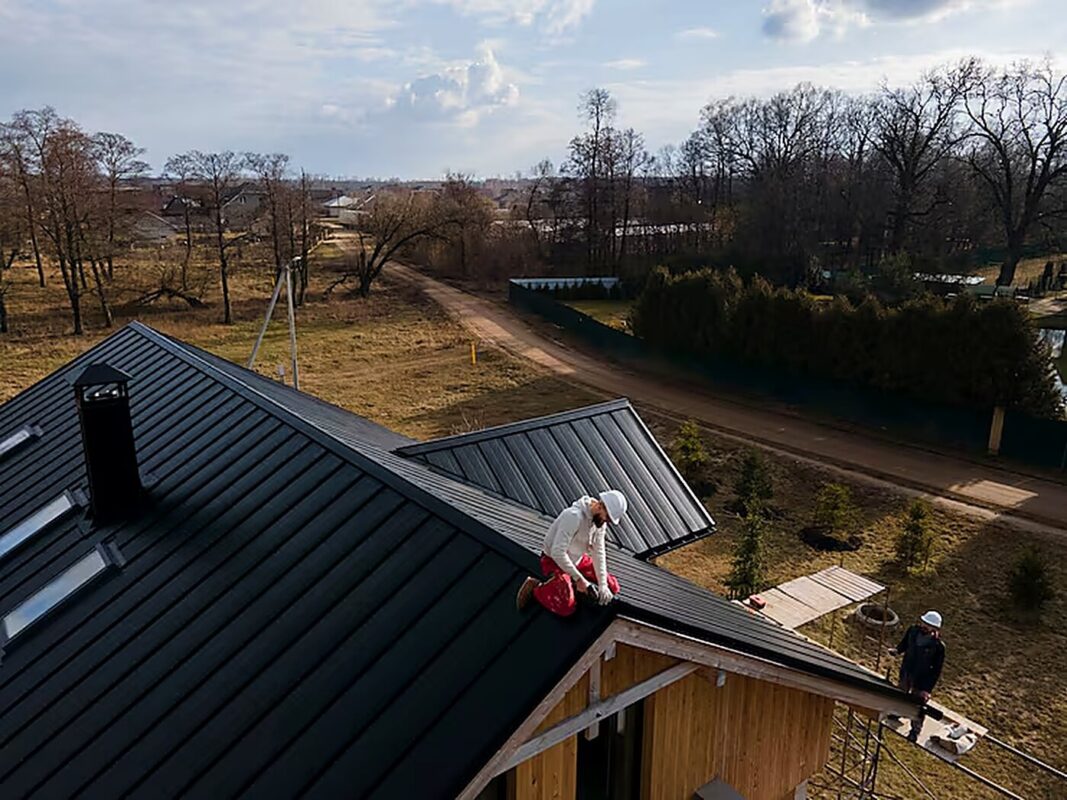
Replacing an old or damaged roof is one of the most important maintenance projects a homeowner can undertake. Whether your roof has reached the end of its service life, suffered storm damage or is showing persistent signs of water ingress, a new roof can improve protection, thermal performance and the overall appearance of your property.
But before arranging a full roof replacement, it is important to understand whether you need planning permission, Building Regulations approval or neither.
The rules can vary depending on the type of property, the extent of the work, the location of your home and whether you are changing the appearance or structure of the existing roof. Additional considerations can apply to listed buildings, conservation areas, flats and properties in other designated areas.
For homeowners in England, Wales, Scotland and Northern Ireland, it is therefore important to check the rules that apply specifically to your property rather than assuming that replacing an existing roof is always exempt from permissions.
Does a New Roof Need Planning Permission in the UK?
In many cases, replacing an existing roof on a house does not require planning permission if the work does not materially change the external appearance of the property.
For example, replacing worn roof coverings with similar materials while retaining the existing roof shape may fall within permitted development rules in England.
However, planning permission can become relevant where the project involves more substantial alterations, such as changing the shape or height of the roof, adding significant roof extensions or making changes that fall outside permitted development rights.
Planning Portal guidance states that roof work which does not materially affect a house’s external appearance will usually not require planning permission, although local restrictions and the specific circumstances of the property still need to be considered.
This means that a homeowner should not make assumptions based solely on the fact that the project is described as a “new roof”.
Planning Permission and Building Regulations Are Different
One of the most important points to understand is that planning permission and Building Regulations approval are not the same thing.
Planning Permission
Planning permission primarily considers how development affects the appearance, use and surrounding environment of a property.
It may become relevant if you are:
- Changing the shape of the roof
- Raising the roof height
- Adding a dormer
- Creating a substantial roof extension
- Altering the roof in a way that falls outside permitted development
- Making changes to a property in a designated area
- Working on a listed building where relevant consent is required
Building Regulations
Building Regulations are concerned with the technical performance and safety of building work.
Roof replacement work can involve considerations such as:
- Structural stability
- Thermal insulation
- Ventilation
- Fire safety
- Moisture control
- Roof construction
- The performance of the replacement covering
GOV.UK guidance confirms that Building Regulations approval is separate from planning permission and that replacing roof coverings on pitched and flat roofs can fall within work covered by Building Regulations.
You may therefore not need planning permission but still need to consider Building Regulations requirements.
When Planning Permission May Not Be Required
A straightforward re-roofing project may not require a planning application where the work does not materially alter the external appearance of the property and falls within applicable permitted development rights.
This could include replacing deteriorated roof coverings while maintaining the existing roof form.
However, there are important exceptions.
Your property may be subject to additional restrictions if it is:
- A listed building
- Located within a conservation area
- A flat or maisonette
- Located within another designated area
- Subject to an Article 4 Direction
- Subject to planning conditions that restrict permitted development rights
Local planning rules can also differ, so checking with the relevant planning authority before work begins is sensible.
When Might a New Roof Require Planning Permission?
Planning permission may be required when a roofing project goes beyond simple replacement.
This could include projects involving significant changes to the roof structure or appearance, such as:
Changing the Roof Shape
Changing the pitch, ridge height or overall profile of the roof can affect the external appearance of a property.
If the work constitutes an enlargement or alteration outside permitted development rights, a planning application may be necessary.
Adding Dormer Windows
Dormers can provide valuable additional loft space, but they change the roof’s external appearance.
Depending on the design and location, a dormer may be possible under permitted development or may require planning permission.
Increasing the Height of the Roof
Raising the ridge or creating additional storeys can involve more substantial planning considerations.
The permitted development rules for roof enlargements include specific limitations, so professional advice should be obtained before assuming that a project qualifies.
Changing the Roof Material
Replacing one roof covering with another can sometimes involve more than a simple like-for-like replacement.
Changing from slate to tiles, for example, may affect the appearance, weight and performance of the roof. Building Regulations considerations may also arise if the new covering has significantly different characteristics from the existing material.
What About Conservation Areas?
Properties in conservation areas can have additional restrictions designed to protect the character and appearance of the area.
This does not necessarily mean that every roof replacement requires planning permission. However, the materials, appearance and design of proposed works may receive greater scrutiny.
Before replacing a roof in a conservation area, it is worth checking:
- Whether the property is within the designated area
- Whether permitted development rights have been restricted
- Whether the existing roof material needs to be matched
- Whether the proposed work changes the appearance
- Whether local planning policies impose additional requirements
This is particularly important for period properties where the roof contributes significantly to the character of the building and surrounding streetscape.
What If Your Property Is Listed?
Listed buildings require additional care.
If a building is listed, work that affects its special architectural or historic interest may require listed building consent.
Roof alterations can be particularly sensitive because the roof is often an important part of the building’s historic character.
Depending on the property, you may need to consider:
- Traditional roofing materials
- Existing slate or tile types
- Historic detailing
- Traditional fixing methods
- Leadwork
- Chimneys
- Ridge and verge details
- Roof structure
Do not begin work on a listed building without establishing what consents are required.
Unauthorised work to a listed building can have serious consequences, so specialist advice should be obtained before removing or altering historic roofing materials.
Does Re-Roofing Require Building Regulations Approval?
This is an area where homeowners can easily become confused.
Even when planning permission is not required, Building Regulations may still apply to re-roofing work.
Planning Portal guidance explains that many roof replacement projects are subject to Building Regulations, particularly where a significant proportion of the roof is being renovated or where other factors such as structural alterations, insulation or changes in the weight of the roof covering are involved.
For example, if a new roof covering is significantly heavier or lighter than the existing one, the supporting roof structure may need to be assessed.
The work may also provide an opportunity or requirement to improve the thermal performance of the roof.
Why Roof Insulation Matters During a Replacement
A roof is a major part of a home’s thermal envelope.
When replacing a roof, it is important to consider whether the existing insulation and construction meet current requirements.
Improving roof insulation can help reduce heat loss and may contribute to a more comfortable home throughout the year.
Depending on the construction, this could involve reviewing:
- Loft insulation
- Rafter insulation
- Roof ventilation
- Vapour control
- Cold roof or warm roof construction
- Thermal bridging
- Moisture management
Planning Portal guidance notes that a roof is considered a thermal element and that re-covering work may require improvements to its thermal insulation performance.
A roofing contractor should therefore look beyond the visible roof covering and assess the wider roof system.
Roof Ventilation Should Not Be Overlooked
A properly ventilated roof can help manage moisture and condensation within the roof space.
If a roof is replaced without considering ventilation, there can be a risk of condensation-related problems developing within the roof construction.
Depending on the roof design, ventilation may be provided through:
- Eaves ventilation
- Ridge ventilation
- Tile or slate vents
- Breathable membranes
- Other appropriately designed ventilation systems
The correct solution depends on the construction of the roof and the design of the replacement system.
Can You Replace Roof Tiles with Different Materials?
Changing roofing materials requires careful consideration.
For example, replacing slate with concrete tiles can change the weight imposed on the roof structure. Conversely, replacing a heavier covering with a lighter system can also alter the performance and construction requirements.
Planning Portal guidance specifically highlights the structural implications where a replacement covering is significantly heavier or lighter than the existing material.
Before changing materials, consider:
- Weight
- Appearance
- Structural capacity
- Fire performance
- Thermal performance
- Local planning restrictions
- The character of the property
A roofing professional can help establish whether the proposed material is suitable.
Roof Repairs vs Full Roof Replacement
Not every roofing problem requires a completely new roof.
Minor issues such as:
- Slipped tiles
- Broken slates
- Failed flashing
- Damaged ridge tiles
- Small areas of deterioration
- Blocked or damaged roofline components
may be repairable.
A professional roof inspection can help determine whether repairs are sufficient or whether replacement is likely to provide a more reliable long-term solution.
This is important because replacing an entire roof unnecessarily can represent a significant expense.
On the other hand, repeatedly repairing an ageing roof may become less economical if the underlying covering and structure are reaching the end of their service life.
Signs You May Need a New Roof
Several warning signs can indicate that your roof needs professional attention.
Look out for:
Persistent Roof Leaks
Recurring water ingress can indicate damaged tiles, failed flashing, deteriorated membranes or wider roof problems.
Missing or Slipped Tiles
Storms, high winds and general ageing can cause roof coverings to become displaced.
Damaged Slates or Tiles
Cracked, broken or heavily weathered coverings can compromise the roof’s ability to keep water out.
Sagging Roof Areas
A visible dip or sag can indicate a structural issue and should be investigated promptly.
Damaged Roof Timbers
Rot, dampness or deterioration within roof timbers can compromise the supporting structure.
Poor Roof Ventilation
Signs of condensation or excessive moisture in the loft may indicate inadequate ventilation or insulation.
What Should You Check Before Starting a Roof Replacement?
Before work begins, ask your roofing contractor to assess the entire roof rather than simply pricing the visible covering.
A thorough inspection should consider:
- Roof coverings
- Battens
- Underlay or membrane
- Roof timbers
- Flashings
- Valleys
- Chimneys
- Ridge and verge details
- Fascias and soffits
- Gutters
- Insulation
- Ventilation
- Roof penetrations
This can help identify problems that could otherwise remain hidden until work is underway.
How to Plan a New Roof Project
A successful roof replacement begins with good planning.
Start with a Professional Roof Survey
A survey can establish the condition of the existing roof and identify whether repair or replacement is appropriate.
Check Planning Restrictions
Find out whether your property is listed, located in a conservation area or subject to restrictions affecting permitted development.
Establish Building Regulations Requirements
Ask your roofing contractor or building professional whether the proposed work requires Building Regulations approval or other notifications.
Choose Suitable Materials
Select roofing materials that are appropriate for the property, roof structure, local environment and desired appearance.
Consider Insulation and Ventilation
A roof replacement is an opportunity to address thermal performance and ventilation rather than simply replacing the outer covering.
Obtain a Detailed Quotation
Your quotation should clearly explain what is included, including removal of existing materials, new coverings, membranes, battens, insulation where applicable, flashing, roofline work, waste removal and finishing details.
Why Professional Roof Installation Matters
A roof is much more than a layer of tiles or slates.
It is a complete system designed to protect the building from weather while managing moisture, ventilation, insulation and structural loads.
Poor installation can result in:
- Water ingress
- Condensation
- Heat loss
- Damaged timbers
- Premature roof deterioration
- Poor ventilation
- Increased maintenance costs
Using experienced roofing professionals can help ensure that the roof is correctly specified and installed.
Cambridge Roofworks: Professional Roofing Services
For homeowners researching roof replacement, repairs and wider roofing improvements, Cambridge Roofworks provides a useful example of a specialist UK roofing company.
Cambridge Roofworks states that it provides residential and commercial roofing services across Cambridgeshire, including full roof replacements, pitched and flat roof installations, emergency roof repairs, chimney repairs, leadwork, guttering, fascias and soffits, loft insulation and roof ventilation upgrades. (Cambridge Roofworks)
The company also explains that its team handles roofing projects in-house and uses materials from established manufacturers. Its services cover projects ranging from smaller roof repairs through to full roof replacement. (Cambridge Roofworks)
For homeowners considering a new roof, using an experienced roofing contractor can make it easier to assess the condition of the existing roof, select appropriate materials and identify any planning or Building Regulations considerations before work begins.
Frequently Asked Questions About New Roof Planning Permission
Do I need planning permission to replace my roof?
Often, a straightforward roof replacement that does not materially alter the external appearance of a house may not require planning permission in England. However, local restrictions and the type of property can affect this.
Do I need Building Regulations approval for a new roof?
Building Regulations can apply to roof replacement and re-covering work. The requirements depend on the extent and nature of the work, including structural changes, insulation and the proposed roof covering.
Can I change my roof from tiles to slate?
It may be possible, but changing roofing materials can affect the weight, structural requirements, appearance and regulatory requirements of the roof. The proposed materials should be assessed before work begins.
Does a conservation area affect roof replacement?
It can. Additional planning restrictions may apply, particularly where proposed work changes the appearance or character of a property. Check with your local planning authority before starting work.
Can I replace the roof on a listed building?
Listed buildings require particular care. Work affecting the building’s special architectural or historic interest may require listed building consent. Specialist advice should be obtained before work starts.
Is replacing a roof the same as building a new roof?
Not necessarily. A straightforward re-roof may involve replacing the external covering, while a completely new roof could involve structural alterations, insulation upgrades or changes to the roof design. The regulatory requirements can therefore differ.
Get Professional Advice Before Replacing Your Roof
A new roof is a significant investment, so it is worth establishing exactly what your property needs before work begins.
Planning permission may not be required for a straightforward replacement, but that does not automatically mean that no other requirements apply. Building Regulations, listed building restrictions, conservation area controls, structural considerations, insulation and ventilation can all influence the project.
The safest approach is to arrange a professional roof inspection, establish whether repairs or replacement are appropriate and check the relevant local requirements before work starts.
With the right planning, materials and installation, a new roof can provide reliable weather protection, improved thermal performance and long-term peace of mind for your home.
