

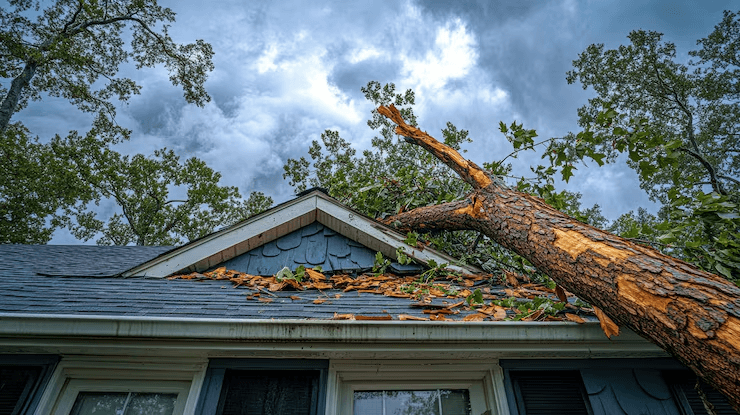
Storms can put considerable pressure on a roof. Strong winds, heavy rain, falling branches and flying debris can all cause damage, sometimes leaving problems that are difficult to spot from ground level. Even when a roof appears intact after severe weather, minor damage can allow water to enter and develop into a much larger problem.
Knowing what to check after a storm can help homeowners identify potential issues early and arrange professional repairs before further damage occurs.
This storm roof damage checklist for UK properties explains what to look for, when it is safe to inspect your roof, which warning signs should not be ignored and what steps to take if you discover damage.
Why Storms Can Damage UK Roofs
UK roofs are designed to withstand changing weather conditions, but severe storms can still expose weaknesses or cause sudden damage.
High winds can loosen or displace roof tiles, ridge tiles and other components. Heavy rainfall can enter through damaged areas, while debris can block gutters and drainage systems. Older roofs or roofs that already have loose tiles, deteriorated mortar or damaged flashing may be particularly vulnerable.
Storm damage does not always result in an obvious hole or missing section of roof. Problems can include:
- Loose or displaced roof tiles
- Cracked or broken tiles
- Damaged ridge or hip tiles
- Missing slates
- Damaged flashing
- Blocked or damaged gutters
- Loose fascias and soffits
- Damaged roofline components
- Water entering the loft
- Damp patches on ceilings or walls
- Structural damage caused by falling branches or debris
For this reason, carrying out a careful post-storm check is important.
Storm Roof Damage Checklist: What to Look For
After a significant storm, work through the following checklist. Do not climb onto the roof yourself, particularly when tiles may be loose or surfaces are wet.
1. Check for Missing or Displaced Roof Tiles
One of the most common signs of storm damage is a missing or displaced tile.
From ground level, look along the roof slopes for areas that appear uneven or out of place. You may notice gaps where tiles have been blown away or tiles that appear to have shifted from their original position.
Even a relatively small gap can provide an entry point for rainwater.
2. Look for Cracked or Broken Tiles
Tiles can crack when struck by flying debris, branches or other objects during a storm.
Look for:
- Visible cracks
- Broken edges
- Split tiles
- Pieces of tile in the garden
- Debris around the roof
- Newly exposed areas of underlay
If you notice broken tiles, arrange a professional inspection rather than attempting to replace them yourself.
3. Inspect Ridge and Hip Tiles
Ridge and hip tiles are particularly exposed to wind because they sit at the highest and most prominent parts of the roof.
Check from ground level for:
- Missing ridge tiles
- Cracked mortar
- Loose tiles
- Gaps along the ridge
- Tiles that appear uneven or displaced
Damage in these areas can worsen during subsequent periods of wind and rain.
4. Check Roof Flashing
Flashing is used around areas such as chimneys, roof junctions, valleys and other vulnerable points to help prevent water penetration.
Storms can loosen or damage flashing, potentially creating a route for rainwater into the roof structure.
Signs of a flashing problem may include:
- Water stains around a chimney
- Damp patches in the loft
- Visible gaps
- Loose sections of flashing
- Cracked surrounding mortar
Because flashing can be difficult to assess safely, professional inspection is recommended if you suspect damage.
5. Inspect Gutters and Downpipes
Storms can fill gutters with leaves, branches and other debris. Heavy rainfall can then overwhelm blocked drainage systems.
Check whether:
- Gutters are full of debris
- Sections have become detached
- Joints are leaking
- Downpipes are blocked
- Gutters are sagging
- Water is overflowing during rainfall
Keeping your guttering clear is an important part of protecting the roof and walls of your property from water damage.
6. Check Fascias and Soffits
Strong winds can also affect roofline components such as fascias and soffits.
Look for signs including:
- Loose or hanging sections
- Cracks
- Gaps
- Water staining
- Rot or deterioration
- Detached fixings
Damaged roofline components can affect ventilation and may allow water or pests to enter areas beneath the roof.
7. Inspect the Loft for Signs of Water Ingress
If it is safe to access your loft, check for evidence that rainwater has entered the roof.
Look for:
- Damp patches
- Water stains
- Wet insulation
- Damp timber
- Drips or standing water
- Mould
- Musty smells
- Daylight coming through areas where it should not be visible
Remember that water does not necessarily appear directly beneath the point where it entered the roof. It can travel along roof timbers before becoming visible.
8. Check Ceilings and Internal Walls
Some storm damage becomes apparent inside the property rather than outside.
After heavy rainfall, inspect ceilings and upper sections of walls for:
- Brown or yellow water stains
- Damp patches
- Peeling paint
- Bubbling plaster
- Mould growth
- Drips
- New cracks
A new internal stain following a storm should not be ignored, even if the roof looks fine from the ground.
9. Look for Debris Around the Property
Branches, roof tiles, slates, mortar and other debris around your property may provide clues that the roof has been affected.
Pay particular attention to debris found near:
- Gutters
- Conservatories
- Extensions
- Driveways
- Garden areas
- Outbuildings
If you find roof materials on the ground, arrange an inspection to determine where they came from and whether further damage has occurred.
What Should You Do If You Find Storm Damage?
If your inspection reveals possible damage, the priority should be to prevent further deterioration while arranging professional assistance.
Stay Off the Roof
Wet roofs are slippery and damaged tiles or roof structures can be unstable. Attempting to climb onto the roof can result in serious injury and may also cause additional damage.
A professional roofer can assess difficult-to-reach areas safely.
Reduce Further Water Damage
If water is entering the property, place suitable containers beneath active leaks and move vulnerable belongings away from affected areas where it is safe to do so.
If there is significant water ingress near electrical equipment, avoid contact with electrical systems and seek appropriate professional assistance.
Take Photographs
Photographs can provide useful evidence of damage.
Where possible, photograph:
- Missing tiles
- Broken tiles
- Damaged roofline
- Gutters
- Fallen debris
- Internal water staining
- Damp areas
Only take photographs from a safe position. Do not put yourself at risk to obtain a better image.
Arrange a Professional Roof Inspection
A professional inspection can identify both obvious and less visible problems.
A roofer may assess the roof covering, flashing, ridge and hip tiles, roofline, guttering and other areas that may have been affected by the storm.
When Is Storm Roof Damage an Emergency?
Some problems require prompt attention because leaving them unresolved could allow damage to spread.
Seek urgent professional assistance if you notice:
- A major section of roof missing
- Significant water entering the property
- A collapsed or visibly unstable roof area
- Large structural cracks
- Loose sections that could fall
- Major damage around a chimney
- Extensive ceiling damage
- A tree or large branch resting on the roof
Keep people away from areas where falling materials or structural instability could present a danger.
Can You Claim for Storm Damage to Your Roof?
Whether storm damage is covered by your home insurance depends on your individual policy and circumstances.
If you believe the damage may be covered, contact your insurer as soon as reasonably possible and follow their claims process.
Keep records of:
- Photographs
- Dates and times
- Weather conditions
- Professional inspection reports
- Repair quotations
- Invoices
- Temporary measures taken to prevent further damage
Your insurer may require evidence of the cause and extent of the damage, so retaining relevant documentation can be useful.
How Much Does Storm Roof Repair Cost in the UK?
There is no single price for repairing storm damage because the cost depends on the extent and type of damage.
Factors that can affect the price include:
- Number of tiles or slates requiring replacement
- Type of roof covering
- Damage to roof timbers
- Flashing repairs
- Ridge or hip tile repairs
- Gutter replacement
- Fascia and soffit repairs
- Scaffolding requirements
- Accessibility
- Emergency call-out requirements
- Whether extensive water damage has occurred
A small repair may be relatively straightforward, while significant storm damage can require more extensive roofing work.
It is sensible to obtain a detailed quotation that explains the work required rather than choosing a contractor based solely on the lowest price.
Storm Damage vs Normal Roof Wear
Not every roofing problem following bad weather is necessarily caused by the storm itself.
Roofs naturally deteriorate over time and issues such as cracked mortar, ageing tiles, blocked gutters or damaged flashing may have existed before severe weather arrived.
A professional inspection can help distinguish between:
Storm-related damage:
Sudden damage associated with high winds, heavy rainfall, falling branches or flying debris.
Existing deterioration:
Problems caused by age, inadequate maintenance, general wear or previous damage.
This distinction can also be relevant when dealing with an insurance claim.
How to Prevent Storm Roof Damage
Although it is impossible to eliminate the risk of storm damage completely, regular maintenance can help reduce vulnerabilities.
Schedule Regular Roof Inspections
Periodic inspections can identify loose tiles, deteriorating mortar, damaged flashing and other issues before severe weather exposes them.
Keep Gutters Clear
Blocked gutters can contribute to water overflowing against roof edges, walls and other parts of the property.
Maintain Fascias and Soffits
Damaged or deteriorating roofline components should be repaired or replaced before they become loose or allow water to penetrate.
Check Trees Near the Property
Large or overhanging branches can pose a risk to roofs, particularly during high winds. Consider having potentially hazardous trees assessed and maintained appropriately.
Address Small Repairs Promptly
A loose tile or damaged section of flashing may seem minor, but leaving it unresolved can increase the potential for more serious problems during the next storm.
Should You Inspect Your Roof After Every Storm?
Not every period of rain or wind requires a professional inspection. However, following severe storms, high winds or exceptionally heavy rainfall, it is sensible to carry out a visual check from ground level.
Look for obvious changes such as missing tiles, fallen debris, damaged gutters and signs of water ingress.
If anything appears unusual, arranging a professional inspection can provide reassurance and help identify problems before they become more expensive to repair.
Frequently Asked Questions About Storm Roof Damage
What is the first thing to check after a storm?
Start with a visual inspection from ground level. Look for missing or displaced tiles, damaged roofline components, debris and obvious signs of water ingress. Avoid climbing onto the roof.
Can heavy rain damage a roof?
Heavy rain can expose existing weaknesses or enter through damaged tiles, flashing and roof junctions. Persistent water ingress can eventually cause damage to insulation, timber and internal finishes.
How do I know if my roof is leaking after a storm?
Check the loft, ceilings and upper walls for damp patches, water stains, dripping water, wet insulation or mould. Some leaks may only become visible several hours after rainfall.
Should I replace my whole roof after storm damage?
Not necessarily. If the damage is limited to specific areas, repairs may be sufficient. A professional assessment can determine whether repair or more extensive replacement is appropriate.
Can wind blow roof tiles off?
Yes. Strong winds can dislodge or damage roof tiles, particularly where tiles or fixings have already deteriorated.
Can I repair storm damage myself?
Minor ground-level maintenance may be possible, but roof repairs should generally be carried out by a suitably qualified professional. Working on a damaged or wet roof can be dangerous.
How quickly should storm roof damage be repaired?
The timescale depends on the severity of the damage. Major water ingress, unstable roof sections or significant missing areas should be addressed as soon as possible to reduce the risk of further damage.
Final Storm Roof Damage Checklist
After severe UK weather, remember to:
- Check the roof visually from ground level
- Look for missing, cracked or displaced tiles
- Inspect ridge and hip areas
- Check gutters and downpipes
- Look at fascias and soffits
- Check the loft for water ingress
- Inspect ceilings for new water stains
- Look for fallen roof materials and debris
- Photograph visible damage safely
- Avoid climbing onto a damaged roof
- Contact a professional roofer where necessary
- Contact your insurer if you believe you have a covered claim
- Keep records of inspections, quotations and repairs
- Address smaller roofing problems before the next storm
Protect Your Roof Before the Next Storm
Storm damage can range from a single displaced tile to extensive structural problems. The earlier an issue is identified, the easier it may be to prevent additional water damage and costly repairs.
Regular roof inspections, gutter maintenance and prompt repairs can all help keep your property protected throughout the UK’s changing weather conditions.
If your roof has been affected by high winds or severe weather, arrange a professional inspection to establish the extent of the damage and identify the appropriate repairs.
