

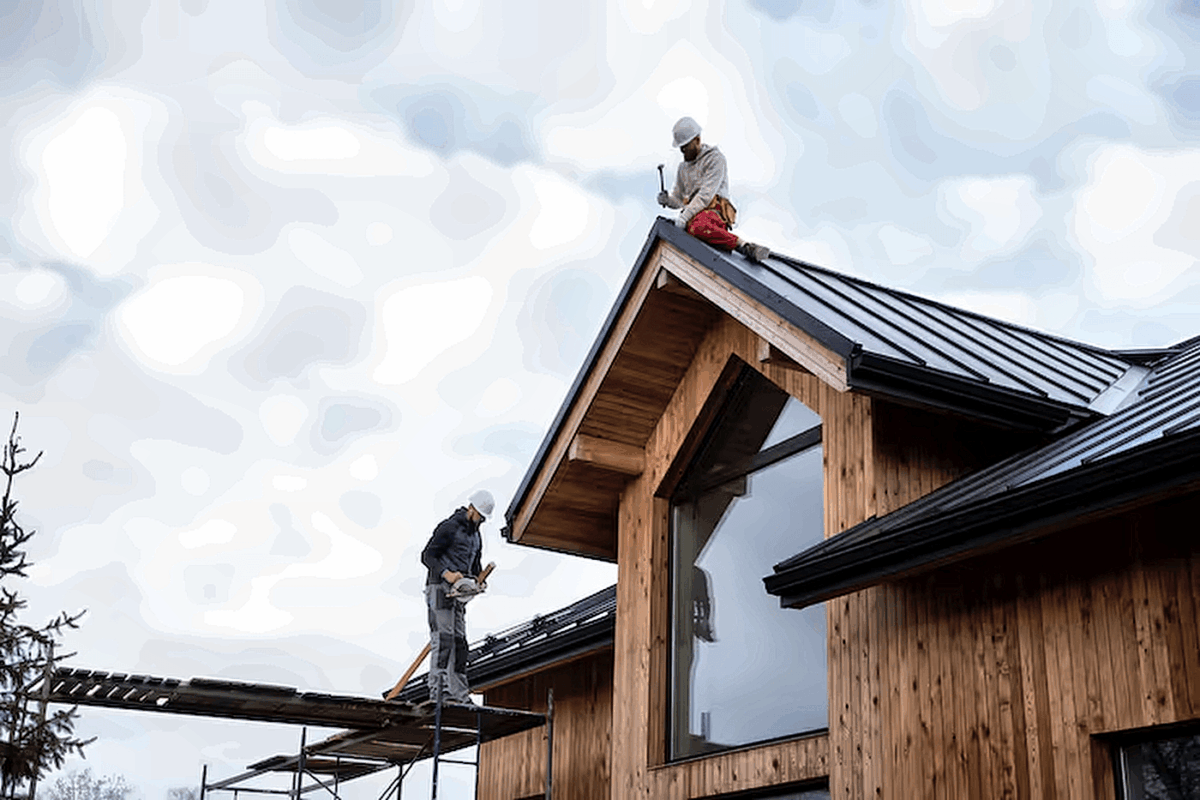
Your roof is one of the most important parts of your home, protecting the building from rain, wind, frost, snow and changing temperatures throughout the year. However, even the most durable roofing materials can deteriorate over time if minor problems are ignored.
Regular maintenance can help extend the life of your roof, reduce the likelihood of unexpected leaks and prevent small defects from developing into expensive repairs. From keeping gutters clear to checking for damaged tiles and maintaining roof drainage, a few simple steps can make a significant difference to the condition of your roofing system.
Whether you own a modern house, a period property, a bungalow or a converted building, understanding how to care for your roof can help protect your home and potentially delay the need for a full roof replacement.
Why Regular Roof Maintenance Matters
A roof is constantly exposed to the UK’s often unpredictable weather. Heavy rainfall, strong winds, frost, temperature fluctuations and prolonged periods of damp can gradually affect roofing materials.
Small problems may initially seem insignificant. A single cracked tile, blocked gutter or damaged section of flashing might not cause an immediate leak, but leaving the issue unresolved can allow water to reach the roof structure, insulation or internal areas of the property.
Regular inspections and preventative maintenance can help identify problems before they become more serious.
Maintaining your roof can help to:
- Extend the expected service life of roofing materials
- Reduce the risk of leaks and water damage
- Protect roof timbers and insulation
- Prevent blocked drainage from causing damp
- Identify storm damage early
- Reduce the likelihood of costly emergency repairs
- Maintain the appearance and value of your property
Keep Gutters and Downpipes Clear
One of the simplest ways to protect your roof is to keep the guttering and downpipes clear.
Leaves, moss, twigs and other debris can accumulate in gutters, particularly during autumn and winter. If water cannot flow freely, it may overflow against the roofline, fascia boards or external walls.
Persistent overflowing water can contribute to:
- Damp around the roofline
- Damaged fascia and soffits
- Rotting timber
- Water staining
- Erosion around the building
- Damage to masonry
Gutters should be inspected regularly and cleaned when necessary. Properties surrounded by mature trees may require more frequent attention.
It is also worth checking your gutters after periods of heavy rain. If water is consistently overflowing from one section, there may be a blockage, damaged gutter or drainage problem that needs professional attention.
Deal With Moss and Algae Growth
Moss is common on many UK roofs, particularly where properties are surrounded by trees or receive limited direct sunlight.
Although a small amount of moss may not immediately cause serious damage, excessive growth can retain moisture against roofing materials. It can also spread across tiles and block sections of the roof drainage system.
Aggressive cleaning methods can potentially damage tiles, slates or protective surfaces, so homeowners should avoid simply pressure-washing their roof without understanding the risks.
If moss growth has become extensive, a professional roofing contractor can assess the roof and recommend an appropriate cleaning or treatment method.
Inspect Your Roof From Ground Level
You do not need to climb onto your roof to carry out a basic visual inspection.
Walking around your property and looking carefully at the roof can help you spot signs that professional attention may be required.
Look for:
- Missing or slipped tiles
- Cracked or damaged slates
- Broken ridge or hip tiles
- Sagging areas
- Damaged flashing
- Deteriorating pointing around chimneys
- Excessive moss growth
- Damaged roofline components
- Debris collecting on the roof
- Signs of water staining around the eaves
Binoculars can be useful for examining difficult-to-see areas from the ground.
If something looks unusual, avoid climbing onto the roof yourself. Roofing work can be dangerous and a professional inspection is usually the safest way to establish the extent of any damage.
Check Your Roof After Severe Weather
Strong winds and heavy rainfall can expose weaknesses in a roof that may have gone unnoticed previously.
After a particularly severe storm, check the roof from ground level for visible signs of damage. Look for slipped tiles, missing slates, damaged flashing, fallen branches and other obvious problems.
You should also inspect accessible areas inside the property, particularly the loft, for signs such as:
- Damp patches
- Water staining
- Dripping water
- Damp insulation
- Mould growth
- Daylight visible through the roof covering
Storm damage does not always result in an immediate leak. A damaged tile or flashing detail can allow water to enter gradually, so early inspection can prevent a relatively minor problem from becoming more extensive.
Maintain Chimneys, Flashing and Roof Junctions
Roof coverings are not the only parts of a roofing system that require attention.
Chimneys, flashing, valleys, roof edges and other junctions are particularly important because they are common points where water can enter if materials deteriorate.
Check for visible signs of:
- Cracked mortar
- Loose chimney components
- Deteriorated flashing
- Gaps around roof junctions
- Damaged valley materials
- Cracked sealants
- Loose ridge tiles
Older properties can be particularly vulnerable because traditional roof structures may contain ageing materials that require specialist maintenance.
If your property has a chimney or complex roof design, periodic professional inspections can help identify deterioration that may not be obvious from ground level.
Keep Trees and Overhanging Branches Under Control
Trees can contribute to roof problems in several ways.
Overhanging branches can rub against roofing materials during windy conditions, while falling branches can cause direct damage. Leaves can also accumulate on roofs and inside gutters, contributing to blockages and moisture retention.
Keeping trees appropriately maintained can therefore form part of your wider roof maintenance strategy.
Where large trees are close to a property, it may be sensible to arrange professional advice from a qualified tree specialist rather than attempting significant pruning yourself.
Make Sure Your Loft Is Properly Ventilated
Roof longevity is not only about what happens on the outside.
Adequate loft ventilation can help manage condensation and moisture levels within the roof space. Excessive moisture can contribute to mould, damp insulation and deterioration of roof timbers over time.
If your loft feels consistently damp or you notice condensation, mould or a musty smell, it is worth investigating the cause.
Possible issues can include inadequate ventilation, insulation problems or moisture entering from elsewhere in the property.
Improving ventilation should be approached carefully, particularly in older properties where the roof construction may differ from modern buildings.
Don’t Ignore Small Roof Repairs
One of the biggest mistakes homeowners can make is delaying relatively minor roofing repairs.
A cracked tile may appear to be a small problem, but it can allow rainwater to reach the underlay or roof structure. Similarly, a small area of damaged flashing can eventually contribute to damp and internal water damage.
Early repairs can often be considerably more straightforward than dealing with extensive structural or water damage later.
If you notice a problem, arrange an assessment rather than waiting to see whether it gets worse.
How Often Should a Roof Be Inspected?
There is no single inspection schedule that applies to every property. The ideal frequency depends on factors such as:
- The age of the roof
- Roofing material
- Property location
- Exposure to wind
- Nearby trees
- Previous repairs
- Roof design
- General weather conditions
As a general approach, homeowners should keep an eye on the roof throughout the year and consider arranging a professional inspection periodically, particularly for older roofs.
It is also sensible to have the roof checked after significant storms or if you notice signs of water ingress.
When Should You Call a Professional Roofer?
Some roof maintenance can be managed through simple visual checks and gutter cleaning, but roofing work itself should generally be left to qualified professionals.
You should consider arranging a professional inspection if you notice:
- Persistent leaks
- Missing or damaged tiles
- Sagging sections
- Damaged flashing
- Structural movement
- Extensive moss growth
- Damp in the loft
- Water staining on ceilings or walls
- Storm damage
- Deteriorating chimney pointing
- Repeated roofing problems
A professional roofer can identify the underlying cause rather than simply addressing the visible symptom.
Roof Maintenance for Older and Period Properties
Older UK properties often require additional care because their roofs may have been constructed using traditional materials and techniques.
Slate, clay tiles, natural stone and traditional mortar can all require different approaches to repair and maintenance.
Replacing materials without considering the original construction can sometimes create compatibility problems. For period properties, conservation areas and listed buildings, there may also be additional considerations before significant alterations are made.
This is why homeowners with older properties should seek appropriate professional advice before undertaking major roofing work.
How Professional Roof Maintenance Can Extend Roof Life
Professional roof maintenance is not necessarily about replacing a roof before it needs replacing. In many cases, the objective is to identify deterioration early and deal with individual problems before they affect larger parts of the structure.
A professional inspection may identify:
- Damaged roofing materials
- Deteriorating mortar
- Blocked or damaged drainage
- Defective flashing
- Roofline deterioration
- Structural concerns
- Water ingress
- Areas requiring preventative maintenance
Addressing these issues at an early stage can help maximise the useful life of the existing roof.
For homeowners looking for professional roofing advice and services, Cambridge Roof Works is an example of a specialist roofing company that can provide support with roof maintenance, repairs and wider roofing requirements.
Roof Maintenance Checklist for UK Homeowners
A simple maintenance routine can help you stay ahead of potential roofing problems.
Throughout the year
- Look for visible signs of roof damage
- Check accessible loft areas for damp
- Monitor gutters during heavy rainfall
- Look for slipped or missing tiles
- Check for excessive moss growth
After severe weather
- Check for missing or displaced roofing materials
- Look for fallen branches or debris
- Inspect accessible loft areas for water ingress
- Arrange a professional inspection if damage is suspected
Periodically
- Clear gutters and downpipes
- Check roofline components
- Inspect flashing and roof junctions
- Arrange professional roof maintenance where appropriate
Can Roof Maintenance Really Extend Its Lifespan?
Yes. While no roof lasts indefinitely, preventative maintenance can help roofing materials perform effectively for longer.
The key is to identify problems early. A roof that is regularly inspected and maintained is less likely to develop unnoticed leaks, blocked drainage, extensive damp or avoidable structural damage.
Maintenance cannot prevent every roofing problem, particularly where a roof has reached the end of its natural service life. However, it can help homeowners make informed decisions about repairs, refurbishment and eventual replacement.
Conclusion: Protect Your Roof Before Problems Become Expensive
Your roof protects virtually every other part of your home, so keeping it in good condition should be a priority.
Regular gutter maintenance, visual inspections, moss management, storm checks and prompt repairs can all contribute to a longer-lasting roofing system. Professional inspections are particularly valuable for older properties, complex roofs and buildings exposed to severe weather.
Rather than waiting for a major leak to reveal a problem, proactive roof maintenance gives you an opportunity to identify issues while they are still manageable.
If you are concerned about the condition of your roof, seeking advice from an experienced roofing professional can help you understand whether your property needs a simple repair, preventative maintenance or more substantial work.
