
Costs, Benefits and Why More Homeowners Are Making the Switch
As solar energy becomes an increasingly popular choice across the UK, homeowners are looking beyond energy savings alone. Today’s buyers want renewable technology that not only improves efficiency but also complements the appearance of their property.
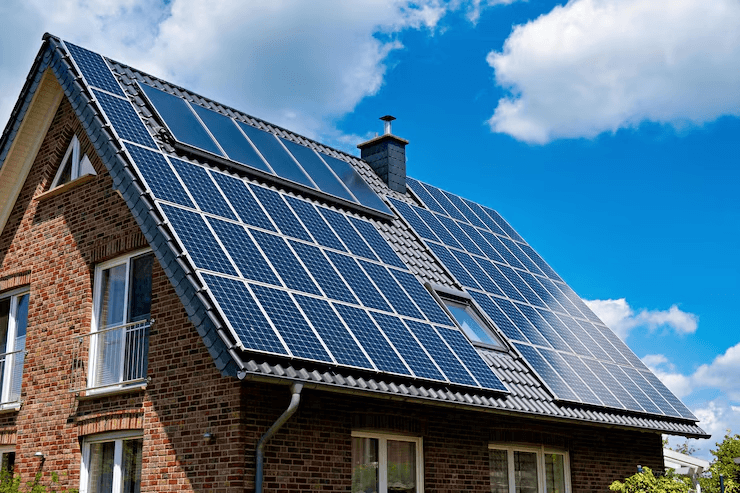
Integrated solar roof panels are meeting that demand. Rather than being mounted above existing roof tiles, these systems form part of the roof itself, replacing sections of the roof covering to create a sleek, flush finish. The result is a modern roof that generates clean electricity while maintaining a clean architectural appearance.
Although integrated systems typically require a greater initial investment than conventional solar panels, they offer a combination of aesthetics, durability and long-term value that appeals to many homeowners. Understanding what influences the cost is far more valuable than focusing on an average price, as every property presents different design and installation requirements.
This guide explains how integrated solar roofing works, the factors that influence pricing and why it is becoming an increasingly popular choice throughout the UK.
What Are Integrated Solar Roof Panels?
Traditional solar panels are installed on top of an existing roof using mounting rails and brackets. While effective at generating electricity, they remain visually separate from the roof and can alter the appearance of a property.
Integrated solar roof panels work differently. They replace part of the roof covering, becoming both the weatherproof roofing material and the solar energy system. Instead of sitting above the roof, they sit flush within it, creating a streamlined finish without visible mounting equipment.
The result is a roof that looks purpose-built for solar energy rather than having panels added later. This makes integrated systems particularly attractive for new builds, roof replacements and major renovation projects where design is just as important as performance.
Because the panels form part of the roof structure, they also offer excellent protection against the elements and are designed to withstand the UK’s varied weather conditions.
Why Integrated Solar Roofing Is Growing in Popularity
One of the biggest reasons homeowners choose integrated solar roofing is appearance. The clean, minimalist finish blends naturally with the roof, making it an attractive alternative to conventional solar panels.
However, the benefits extend well beyond aesthetics.
An integrated solar roof combines roofing and renewable energy into one complete solution. Rather than installing a new roof and adding solar panels separately, homeowners benefit from a single system that performs both functions.
Other advantages include:
- A modern, seamless roof design
- Reduced visual impact compared with traditional solar panels
- High levels of weather protection
- Improved kerb appeal
- Lower environmental impact through renewable energy generation
- Long-term durability with fewer exposed components
As energy efficiency becomes increasingly important in the UK housing market, many homeowners also see integrated solar roofing as an investment that enhances the overall appeal and future value of their property.
What Influences the Cost of Integrated Solar Roof Panels?
There is no standard price for an integrated solar roof because every installation is unique. Several factors determine the overall cost, from the design of the roof to the complexity of the installation.
Roof Design and Construction
The existing roof has one of the greatest influences on cost. Factors such as the roofing material, roof pitch, overall size and structural condition all affect installation requirements.
Slate roofs, for example, generally require more specialist workmanship than standard tiled roofs, while complex roof layouts with multiple valleys, dormers or roof windows can increase installation time.
New Build or Existing Property
Integrated systems are often most cost-effective during new-build projects or complete roof replacements, as they can be incorporated into the construction process from the outset.
Retrofitting an existing property may require the removal of old roofing materials or structural improvements before installation can begin.
System Size
Larger systems naturally require more materials and labour but also generate more electricity over their lifetime.
The amount of usable roof space, roof orientation and potential shading all influence how many panels can be installed and the overall energy output.
Electrical Components
The solar panels are only one part of the overall system.
Costs may also include:
- Solar inverter
- Battery storage (if selected)
- Electrical upgrades
- Monitoring equipment
- Consumer unit improvements where required
Choosing battery storage increases the initial investment but allows homeowners to store excess electricity for use during the evening or periods of low sunlight.
Installation Access
Practical considerations can also affect installation costs.
Properties with limited access, steep roof pitches or restricted working areas may require additional scaffolding, lifting equipment or longer installation times.
Planning Requirements
Most domestic solar installations fall under permitted development rights, meaning planning permission is not normally required.
However, properties within conservation areas, listed buildings or certain protected locations may require additional approvals before work can proceed.
It is always advisable to check the latest guidance before starting a project.
Key Factors That Affect Pricing
The overall cost of an integrated solar roof depends on several factors, including:
- Roof size and design
- Roofing material
- New build or retrofit installation
- Structural work required
- Solar system capacity
- Battery storage options
- Electrical upgrades
- Site access and scaffolding
- Local planning considerations
Because every property is different, obtaining a professional survey is the best way to receive an accurate quotation.
Are Integrated Solar Roof Panels Worth the Investment?
While integrated systems generally cost more than conventional solar panels, they offer value in different ways.
Traditional solar panels sit on top of an existing roof, meaning the roof and solar installation remain separate systems.
Integrated solar roofing combines both functions into one solution, reducing the need for duplicate materials and creating a more cohesive finish.
For homeowners already planning a roof replacement, installing an integrated solar roof can be particularly cost-effective, as both projects are completed together.
The long-term benefits often include:
- Reduced electricity bills
- Lower carbon emissions
- A modern appearance
- Long-lasting weather protection
- Potential improvements in property value
- Reduced maintenance of exposed mounting systems
For many homeowners, these long-term advantages outweigh the higher upfront investment.
Is an Integrated Solar Roof Right for Your Home?
Integrated solar roofing is particularly well suited to:
- New-build homes
- Full roof replacement projects
- Major property renovations
- Contemporary home designs
- Homeowners seeking a discreet solar solution
However, a traditional solar panel system may still be more suitable where budgets are limited, roof space is restricted or significant shading affects energy generation.
A professional assessment can help determine which solution delivers the best balance of performance, appearance and value.
What Happens During Installation?
Every project begins with a detailed survey to assess the roof, structural condition and electrical requirements.
Once the design has been finalised, the installation team prepares the roof and installs the integrated solar panels as part of the roof covering itself.
Because the panels become an integral part of the roof, installation is generally more involved than fitting conventional mounted panels. However, the finished result is a seamless roof that combines weather protection with renewable energy generation.
Following installation, the electrical system is commissioned, performance is tested and homeowners are shown how to monitor their energy production through the system’s monitoring platform.
Final Thoughts
Integrated solar roof panels offer more than an alternative way to generate electricity—they provide a complete roofing solution that combines sustainability, modern design and long-term performance.
Although every installation differs in cost, understanding the factors that influence pricing allows homeowners to make informed decisions based on their property’s requirements rather than relying on generic estimates.
Whether you’re building a new home, replacing an aging roof or planning a major renovation, an integrated solar roof can provide an attractive, future-ready solution that delivers clean energy for decades to come.
