
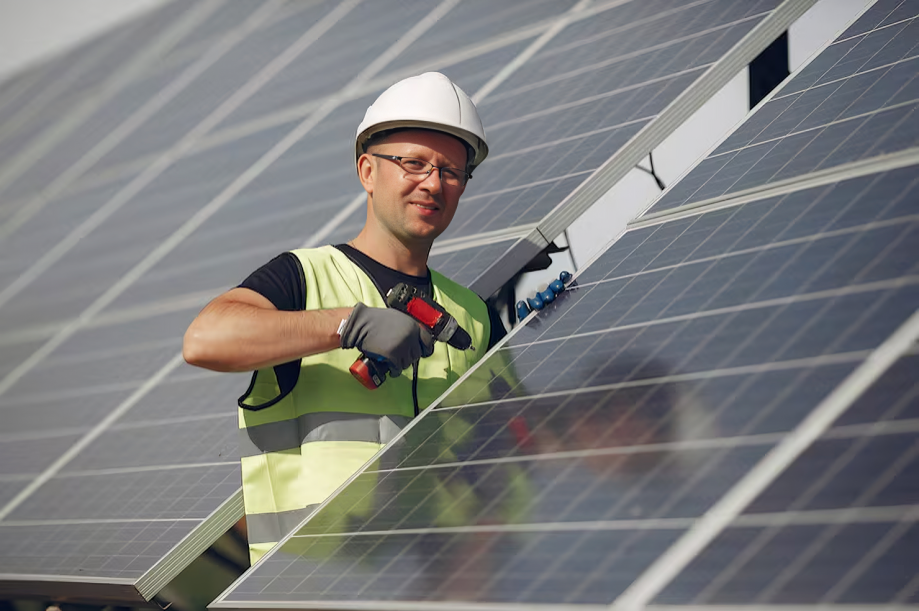
Solar energy is no longer simply an add-on feature installed above an existing roof. Across the UK, homeowners are increasingly exploring integrated solar roofing as a way to generate renewable electricity while maintaining a clean, contemporary appearance.
Unlike conventional solar panels, which are mounted on top of tiles or slates, integrated solar systems form part of the roof itself. The result is a more streamlined finish that combines the practical role of a roof with the energy-generating benefits of solar technology.
For homeowners building a new property, replacing an ageing roof or undertaking a major renovation, solar roofing can offer an opportunity to consider energy generation and roof design as one complete solution.
What Is Solar Roofing?
Solar roofing refers to roof systems that incorporate photovoltaic technology directly into the roof structure. Instead of mounting panels above the existing covering, sections of the roof are designed to accommodate solar panels as part of the overall roof surface.
The panels generate electricity from daylight while the surrounding roofing system provides weather protection and completes the roof design.
This integrated approach can create a more uniform appearance than traditional solar installations, making it particularly appealing to homeowners who want renewable technology without compromising the architectural character of their property.
Why Is Integrated Solar Becoming More Popular?
The growing focus on energy efficiency, household running costs and renewable energy is encouraging more homeowners to consider how their properties can generate and use electricity more efficiently.
At the same time, modern home design places increasing emphasis on clean lines and carefully considered details. Integrated solar roofing brings these two priorities together.
A More Streamlined Appearance
Traditional panels can sit noticeably above the roof surface. Integrated systems are designed to sit within the roof, creating a flatter and more cohesive appearance.
This can be especially effective on contemporary homes, extensions and newly renovated properties where the roof forms an important part of the overall design.
Roofing and Solar Designed as One System
Instead of treating the roof and solar installation as separate projects, an integrated approach allows both to be considered together.
Panel positioning, roof pitch, drainage, surrounding materials and electrical requirements can all be incorporated into the design from the outset.
Renewable Energy Without Compromising Design
For homeowners who want to reduce their reliance on grid electricity but are concerned about the visual impact of conventional panels, integrated solar provides another option.
The technology becomes part of the architecture rather than looking like an addition placed on top of it.
How Does an Integrated Solar Roof Work?
An integrated solar roof needs to perform two important functions: generating electricity and protecting the property from the weather.
The success of the system therefore depends on careful design, suitable materials and professional installation.
Solar Panels Form Part of the Roof
The panels are incorporated into designated sections of the roof and can replace conventional roofing materials in those areas.
This creates a more flush finish and reduces the raised appearance associated with traditional mounting systems.
Weatherproof Detailing Is Essential
The UK climate exposes roofs to rain, wind, frost and changing temperatures throughout the year. Correct detailing around solar panels is therefore critical.
Flashings, junctions, drainage and the connection between the solar area and surrounding roof covering all need to be designed and installed correctly to help maintain the roof’s weather resistance.
Electrical Components Can Be Neatly Integrated
Modern solar systems require cabling and electrical equipment to connect the panels to the home’s electrical system.
Where the roof design allows, cabling can be routed discreetly within the structure, helping maintain the clean appearance of the installation.
Which UK Homes Are Suitable for Solar Roofing?
There is no single roof type that guarantees suitability for integrated solar. A professional assessment should consider the construction orientation, pitch, condition and usable roof area.
Tiled Roofs
Tiled roofs are among the most common roof types in the UK and may be suitable for a range of integrated solar solutions.
The condition of the existing roof and the way the proposed system connects with the surrounding tiles should be assessed before work begins.
Slate Roofs
Slate can provide an attractive traditional appearance but requires careful handling. Any integrated solar installation needs to be compatible with the existing roof construction while maintaining the appearance and performance of the surrounding slate.
Metal Roofs
Some metal roofing systems are particularly well suited to integrated solar technology. However, compatibility depends on the specific roof construction, panel system and installation method.
New-Build Homes
New construction provides the greatest opportunity to integrate solar from the beginning.
The roof structure, electrical system, battery storage, EV charging and wider energy strategy can all be considered during the design stage, helping create a cohesive and future-ready property.
Can Solar Roofing Add Value to a Property?
Energy-efficient features can contribute to a property’s appeal, particularly as homeowners become more conscious of energy costs and environmental performance.
A professionally designed solar roof may offer several advantages, including:
- Renewable electricity generation
- Potentially lower electricity bills
- Reduced reliance on grid electricity
- Improved energy efficiency
- A modern architectural appearance
- Compatibility with battery storage
- Potential improvements to overall energy performance
However, solar should not be viewed as a guaranteed way to increase a property’s sale price. Its value will depend on factors such as location, property type, installation quality and buyer demand.
What to Consider Before Installing Solar Roofing
Before choosing an integrated solar system, homeowners should look beyond the panels themselves and consider the roof and wider energy requirements of the property.
Roof Condition
If your existing roof is already approaching the end of its useful life, combining roof replacement with solar installation could be a sensible approach.
Installing solar onto a roof that requires replacement soon afterwards can create additional work and expense.
Orientation and Roof Pitch
The amount of electricity generated depends partly on the direction and angle of the roof.
South-facing roofs are often favourable in the UK, but east- and west-facing roofs can also provide useful solar generation. A professional assessment can help establish the most suitable configuration.
Planning Requirements
Many residential solar installations can benefit from permitted development rights, but restrictions can apply in certain circumstances.
Listed buildings, conservation areas and properties subject to specific planning conditions may require additional consideration. Homeowners should check the current requirements that apply to their property before installation.
Battery Storage
Solar generation is not limited to the moment electricity is produced. Excess electricity can potentially be stored in a home battery and used later.
Considering battery storage alongside the solar installation can help homeowners make better use of the electricity their roof generates.
Electric Vehicle Charging
For households with an electric vehicle, solar can become part of a broader home energy system.
Solar generation can work alongside EV charging and battery storage, helping homeowners make greater use of renewable electricity generated at the property.
Future Energy Needs
Your home’s energy requirements may change over time. Extensions, renovations, heat pumps, EVs and additional electrical appliances can all increase electricity demand.
Considering future requirements when designing a solar roof can make the system more adaptable in the years ahead.
Integrated Solar vs Traditional Solar Panels
Integrated and conventional solar systems can both provide renewable electricity, but they approach installation differently.
Traditional solar panels are mounted above the existing roof covering, making them a popular option for retrofitting solar onto suitable properties.
Integrated solar systems form part of the roof itself, creating a more seamless appearance. They can be particularly attractive when a roof is already being replaced or when solar is being incorporated into a new-build project.
The better choice will depend on the property’s roof condition, design, budget, energy requirements and the homeowner’s priorities.
When Is Solar Roofing Worth Considering?
An integrated solar roof may be worth exploring if you are:
- Constructing a new home
- Replacing an existing roof
- Undertaking a major renovation
- Looking for a more discreet solar installation
- Interested in reducing reliance on grid electricity
- Planning to install battery storage
- Considering an EV charger
- Looking for a long-term approach to home energy efficiency
A professional survey should always be carried out before making a decision. The roof structure orientation, condition and electrical requirements all need to be assessed to determine whether an integrated system is appropriate.
Building a More Energy-Efficient Home From the Roof Up
The roof has traditionally been viewed as a protective layer over the home. With modern solar technology, it can also become an important part of the property’s energy system.
Integrated solar roofing brings renewable energy and roof design together, offering UK homeowners a way to generate electricity while maintaining a more cohesive architectural appearance.
For new builds, roof replacements and substantial renovations, considering solar at the planning stage can help create a home that is not only more energy efficient today but also better prepared for changing energy needs in the future.
