

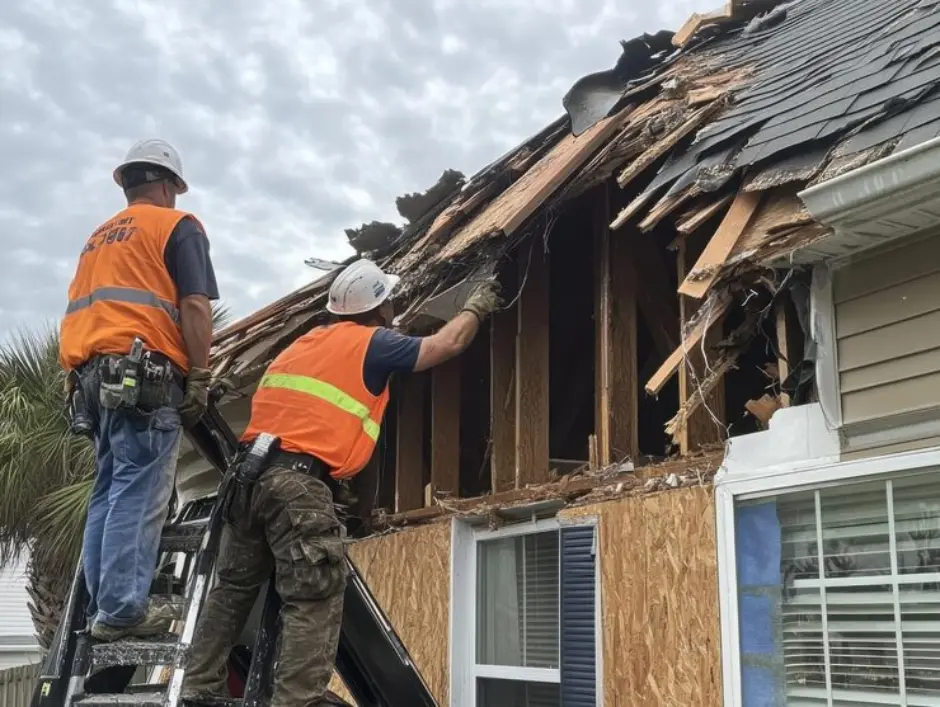
For social housing providers across the UK, maintaining safe, secure and habitable homes is a responsibility that extends well beyond routine property maintenance. Roofing plays a particularly important role, protecting residents and buildings from rain, wind, cold weather and other external conditions.
When roof damage occurs, delays can quickly turn a manageable repair into a serious property issue. Leaks, missing tiles, storm damage and structural defects can lead to damp, mould, damaged ceilings, electrical risks and disruption for residents.
This is why an effective emergency roofing response is essential for social housing providers. Having access to a reliable roofing team that can assess damage, make properties safe and carry out urgent repairs can help minimise risks, protect residents and prevent further deterioration.
Why Emergency Roofing Matters in Social Housing
Social housing providers are responsible for managing large property portfolios, often including houses, flats, maisonettes and apartment blocks. With so many properties to maintain, roofing emergencies can happen at any time.
Severe weather is one of the most common causes of urgent roofing problems. Strong winds, heavy rainfall, storms and freezing conditions can damage roof coverings and associated components.
Common emergency roofing issues include:
- Missing or slipped roof tiles
- Storm-damaged roofs
- Serious roof leaks
- Damaged flashing
- Blocked or damaged drainage systems
- Fallen branches or debris impacting roofs
- Damaged roof membranes
- Water entering lofts or occupied rooms
- Structural concerns following severe weather
Addressing these problems quickly can help prevent damage from spreading and reduce the disruption experienced by residents.
Protecting Residents from Immediate Risks
The primary purpose of an emergency roofing response should always be to protect people.
A damaged roof can create a number of hazards within a property. Water entering through the roof can affect ceilings, walls, insulation and electrical installations. Loose tiles, slates or other roofing materials can also present a danger to residents, pedestrians and neighbouring properties.
A rapid response allows roofing professionals to identify immediate hazards and introduce temporary measures where necessary.
Depending on the situation, this could include:
- Making the affected area safe
- Carrying out temporary weatherproofing
- Securing loose roofing materials
- Covering exposed sections of the roof
- Removing dangerous debris
- Preventing further water ingress
- Arranging permanent repairs
Taking these steps promptly can significantly reduce the risk of injury and further property damage.
Preventing Damp and Water Damage
One of the biggest consequences of an unresolved roof leak is water ingress.
Even a relatively small defect can allow water to enter a property during rainfall. If the problem is not addressed, moisture can spread through roofing structures, insulation, ceilings and internal walls.
Over time, this may contribute to:
- Damp and mould
- Damaged plaster and ceilings
- Deteriorated insulation
- Timber decay
- Damaged electrical components
- Unpleasant indoor conditions
- More extensive repair requirements
For social housing providers, responding quickly to leaks can therefore be an important part of protecting both residents and the wider building.
Reducing Repair Costs
Emergency roofing work can sometimes appear more expensive than planned maintenance. However, delaying an urgent repair can result in considerably greater costs.
For example, a damaged roof covering may initially require a relatively straightforward repair. If rainwater continues entering the building, the resulting damage could involve ceilings, insulation, internal finishes and other building components.
A prompt emergency response can help contain the original problem before it develops into a larger repair project.
This is particularly important for housing providers managing maintenance budgets across large property portfolios. Preventing avoidable secondary damage can help make maintenance spending more efficient.
Supporting Compliance and Property Standards
Social housing providers must maintain properties to appropriate safety and housing standards. Roofing is an important part of keeping homes weatherproof, secure and suitable for occupation.
An effective emergency roofing process can support wider property management responsibilities by ensuring serious defects are identified, assessed and addressed appropriately.
It is also important to maintain clear records of reported issues, inspections, temporary works and completed repairs. Good documentation can help housing providers monitor recurring problems, demonstrate that appropriate action has been taken and plan future maintenance.
The Role of Rapid Roof Inspections
An emergency roofing response is not simply about arriving quickly. The quality of the initial inspection is equally important.
A qualified roofing professional should assess the visible damage and determine the likely cause of the problem. This helps establish whether temporary protection is sufficient or whether permanent repair work is required.
An inspection may consider:
- The condition of roof coverings
- Flashings and junctions
- Gutters and rainwater outlets
- Roof membranes
- Chimneys and roof penetrations
- Signs of water ingress
- Structural concerns
- Damage caused by weather or external impact
A thorough assessment provides housing providers with a clearer understanding of the issue and the appropriate next steps.
Emergency Roofing During Severe Weather
The demand for emergency roofing services often increases following periods of severe weather.
Strong winds can dislodge tiles, slates and other roof components, while heavy rainfall can expose existing weaknesses. Storms may also cause damage through falling trees, branches and debris.
For social housing providers, having a defined response procedure before severe weather occurs can make a significant difference.
This can include:
- Providing residents with clear reporting channels.
- Establishing an emergency roofing contact.
- Prioritising cases according to risk.
- Arranging rapid inspections.
- Using temporary weatherproofing where necessary.
- Scheduling permanent repairs.
- Recording all actions and outcomes.
A structured process helps ensure urgent issues are not overlooked when multiple properties are affected simultaneously.
Prioritising Roofing Emergencies
Not every roofing problem carries the same level of risk. Housing providers can benefit from having a clear system for prioritising emergency call-outs.
Issues involving immediate safety risks or significant water ingress should generally receive greater urgency than minor defects that do not currently affect the property’s habitability.
Factors that may influence priority include:
- Risk to residents or members of the public
- Extent of water ingress
- Risk of further structural damage
- Impact on essential services
- Vulnerability of occupants
- Severity of the weather-related damage
- Whether temporary protection is possible
Clear prioritisation helps roofing teams focus resources where they are needed most.
Communication with Residents
Emergency repairs can be stressful for residents, particularly when a roof leak affects bedrooms, living areas or other important parts of the home.
Clear communication should therefore form part of the emergency response.
Residents should, where possible, be kept informed about:
- What has happened
- What immediate action is being taken
- Whether temporary measures are required
- When further work is expected
- Any access requirements
- What they should do if the problem worsens
Good communication can reduce uncertainty and help build trust between residents, contractors and housing providers.
Temporary Repairs vs Permanent Roofing Solutions
Emergency roofing work often involves temporary measures designed to make a property safe and prevent further damage.
Temporary solutions may include securing roofing materials, applying protective coverings or addressing immediate points of water ingress.
However, temporary measures should not automatically be treated as a permanent solution. Once the immediate risk has been controlled, the roof should be assessed to determine whether a lasting repair or more extensive refurbishment is necessary.
This approach helps prevent recurring emergencies and ensures underlying defects are properly addressed.
Emergency Roofing as Part of Planned Maintenance
A strong roofing strategy should combine emergency response with proactive maintenance.
Regular inspections can identify deterioration before it develops into an emergency. Roofing components such as tiles, slates, flashing, gutters and membranes can gradually deteriorate due to age, weather exposure and general wear.
Planned maintenance can help identify:
- Early signs of leaks
- Cracked or damaged roof coverings
- Deteriorating flashing
- Blocked gutters
- Damaged membranes
- Defective roof junctions
- Areas vulnerable to future water ingress
Addressing these issues early can reduce the number of unexpected emergencies and improve the long-term performance of the housing stock.
Choosing the Right Emergency Roofing Contractor
For social housing providers, selecting an experienced emergency roofing contractor is an important part of effective property management.
A suitable contractor should be able to demonstrate experience in responding to urgent roofing problems and working safely within occupied residential properties.
Important considerations include:
- Emergency response capability
- Relevant roofing experience
- Appropriate insurance
- Health and safety procedures
- Qualified and competent personnel
- Clear communication processes
- Ability to provide temporary protection
- Capacity to manage larger repair programmes
- Detailed reporting and documentation
For housing providers with extensive portfolios, reliability and consistency are particularly important.
Why a Fast Response Makes a Difference
Roofing emergencies rarely improve when left unattended. A small opening can allow increasing amounts of water into a property, while loose materials can become more dangerous during further periods of bad weather.
A fast response can help:
- Protect residents
- Reduce water ingress
- Limit secondary damage
- Prevent problems from escalating
- Reduce disruption
- Support effective property management
- Control longer-term repair costs
The objective is not simply to repair the roof as quickly as possible, but to control the immediate risk and provide the right long-term solution.
Building a Resilient Roofing Strategy for Social Housing
Emergency roofing should form part of a wider strategy for managing and protecting social housing stock.
Housing providers can strengthen their approach by combining:
- Regular roof inspections
- Planned maintenance
- Clear emergency procedures
- Reliable contractor networks
- Resident communication
- Accurate maintenance records
- Weather-related contingency planning
- Prompt follow-up repairs
This proactive approach can improve the resilience of properties while helping housing providers respond effectively when unexpected roofing problems occur.
Conclusion
An effective emergency roofing response for social housing providers is essential for protecting residents, preventing property damage and maintaining safe, weatherproof homes.
From storm damage and serious leaks to loose roof coverings and damaged flashing, roofing emergencies require prompt assessment and appropriate action. Temporary protection can help control immediate risks, while permanent repairs can address the underlying problem.
For UK social housing providers, combining responsive roofing services with planned inspections and preventative maintenance provides a more effective long-term approach to managing residential properties.
By acting quickly when roofing problems arise and investing in proactive maintenance, housing providers can help protect their properties, control avoidable costs and provide residents with safer, more secure homes.
